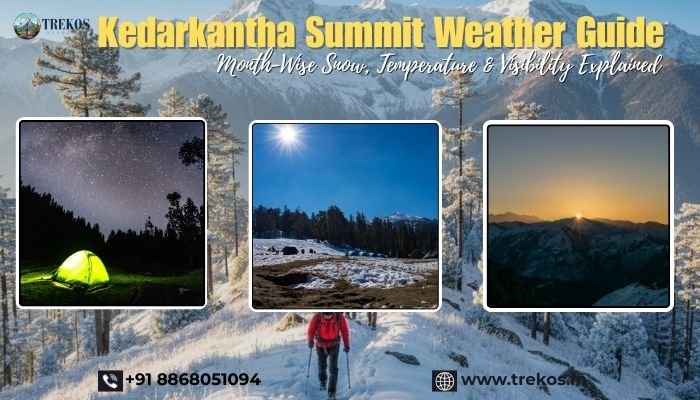
The Kedarkantha Trek in December is one of the most magical ways to experience winter in the Himalayas. When December arrives, Kedarkantha slowly transforms into a peaceful, snow-covered paradise. The forests turn silent, the meadows begin to freeze, and the summit ridge glitters under fresh layers of snow. If you love calm trails, cold air, and the beauty of untouched winter landscapes, then this is the perfect time to visit. Many trekkers specifically choose December because the experience feels straight out of a storybook, and a good kedarkantha trek package makes the planning effortless.
December is a transition month when winter becomes stronger with each passing week. The first part of the month feels moderately cold, with occasional snowfall at higher altitudes. As you move deeper into December, temperatures begin to drop and the chances of snowfall increase significantly. The last week of the month is the coldest and often the busiest because many people plan their trek around Christmas and New Year. Even with the cold, the trail remains safe because it’s well-marked, and most kedarkantha trek package options include winter equipment and trained guides.
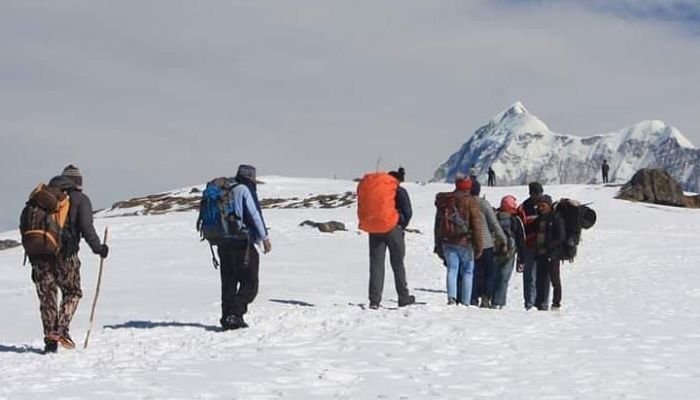
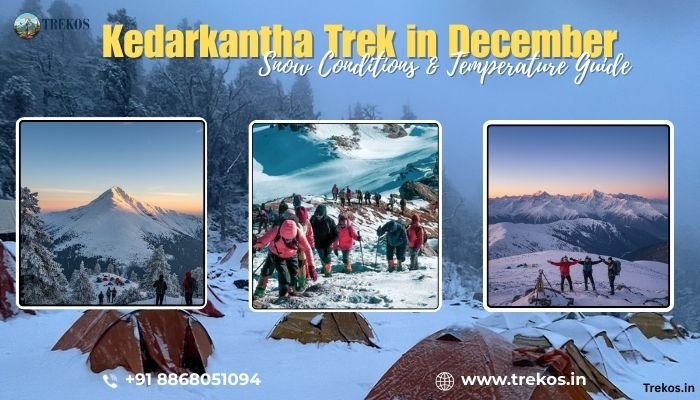
The weather during this month is one of the biggest reasons people prefer the trek. Days are mostly sunny and crisp, giving you beautiful views of the surrounding mountains. Nights, however, can get extremely cold. The Kedarkantha Trek in December usually sees temperatures ranging from 2°C to 8°C during the day, and after sunset the temperature drops quickly, often reaching -10°C or even lower. The summit day, which starts before dawn, feels even colder because of the wind, especially near the top. Though cold, it is manageable with proper layering and winter gear.
Snow Conditions and Trail Experience in December
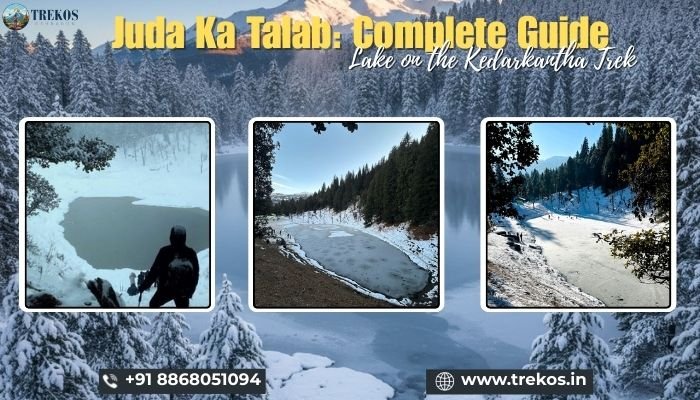
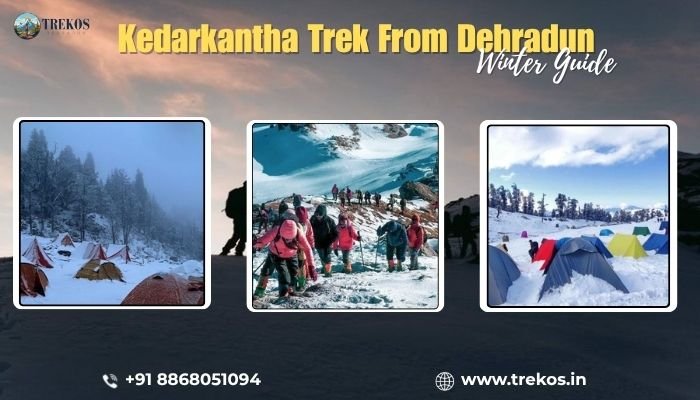
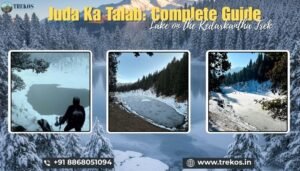
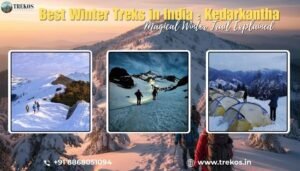
Snow conditions in December are ideal for those who want a complete winter experience. The forest sections become particularly beautiful when the snow settles on pine branches. By mid-December, Juda Ka Talab often begins to freeze, and the surrounding meadows get covered in a soft white sheet. The base camp sees heavier snow as the month progresses, and the summit usually remains beautifully coated throughout the season. The Kedarkantha Trek in December gives you an excellent chance of witnessing fresh snowfall, especially if you trek after the second week.
Even with the snow and low temperatures, the trek remains beginner-friendly. The incline is gradual, the trail is clear, and acclimatization is smooth. The only part that feels slightly challenging is the final ascent, which is steeper than the rest and becomes trickier in deep snow. That said, most kedarkantha trek package providers include essentials such as microspikes, gaiters, and trekking poles so trekkers can manage icy sections safely.
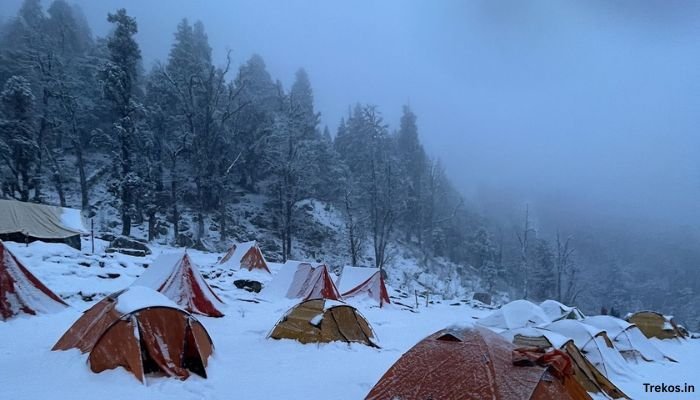
The experience of the trail itself is something that stays with you long after the trek ends. Your journey usually begins at Sankri, a charming mountain village surrounded by apple orchards and thick forests. Even in early December, you can feel the winter chill as soon as you arrive. From Sankri, you trek through dense pine and oak forests toward Juda Ka Talab. The forest looks peaceful and untouched, and if there has been fresh snowfall, silence fills the trail except for the crunching of snow under your feet. Reaching Juda Ka Talab in December feels like stepping into a winter painting as the lake often freezes partially and reflects the surrounding trees.
Kedarkantha Trek in December: Base Camp Journey and Summit Experience
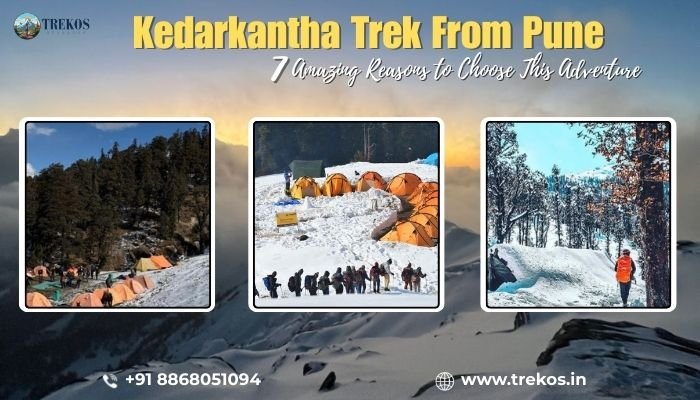
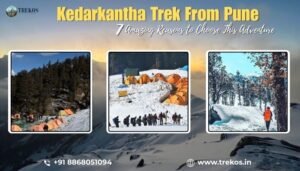
From Juda Ka Talab, you gradually ascend toward the Kedarkantha Base Camp. The views become increasingly wide and more dramatic as you climb higher. Snow layers thicken as you reach the camp, and the temperature drops sharply. This is where most trekkers truly feel the winter environment. Nights are cold but stunningly beautiful, with clear skies and thousands of stars visible above you. The Kedarkantha Trek in December often rewards trekkers with some of the clearest winter skies of the entire season.
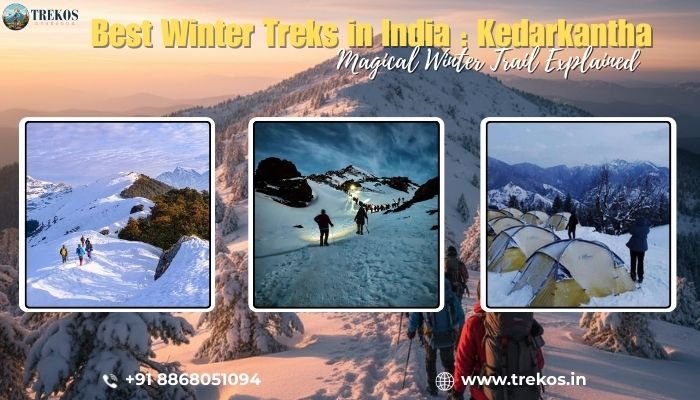
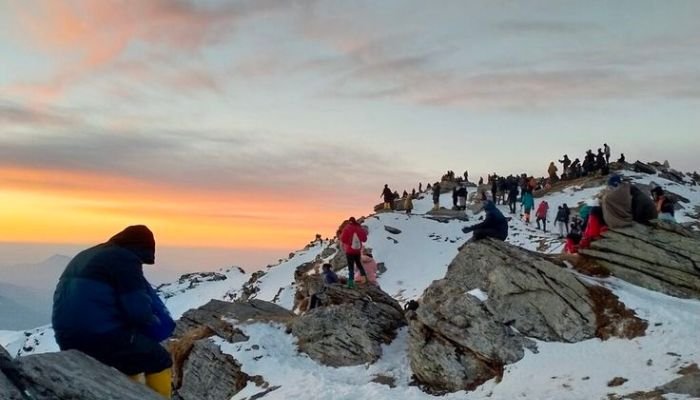
The summit day is the most exciting part of the trek. You begin early, often around 2 or 3 am, so that you reach the top in time for sunrise. Walking in the dark while the snow sparkles under the moonlight creates a surreal atmosphere. The climb becomes steeper near the summit, but the experience is unforgettable. As the sun rises, the mountain peaks gradually turn golden, and the panoramic view from the Kedarkantha summit makes every step worth it. Many trekkers say that the sunrise on the Kedarkantha Trek in December is among the best they have ever witnessed in the Himalayas.
Packing properly is extremely important for this month. Since the temperatures drop significantly, you need reliable thermal layers, a fleece, a padded jacket, warm gloves, woolen socks, and waterproof trekking shoes. You also need sunglasses because snow glare can be harsh. Hydration is another important factor during winter treks. Even though the weather feels cold, the body still needs water, especially during long climbs. If you book a kedarkantha trek package, the team usually guides you on layering, hydration, and daily preparation before each trek segment begins.
Choosing the right kedarkantha trek package can make your experience much smoother. A good package should include accommodation in Sankri, tents on the trek, all meals, trekking equipment like microspikes and gaiters, safety items such as oxygen cylinders, and experienced trek leaders who know the trail well during winter. Winter trekking requires more preparation compared to other seasons, so selecting an experienced team is essential for safety and comfort.
Food during the trek is always warm and comforting. Most operators serve tea, soup, dal, rice, roti, vegetables, and sometimes sweet dishes. Warm meals during cold weather feel especially satisfying, and many trekkers look forward to the evening soup at camp after a long day of walking. Hot beverages uplift morale and help maintain body warmth on chilly nights.
The Kedarkantha Trek in December is ideal for almost everyone. Beginners, solo travellers, couples, photographers, and groups of friends all enjoy this trek because of its accessibility and winter beauty. The only people who should avoid December are those who cannot tolerate extreme cold or have respiratory issues that worsen in winter. With proper preparation and a well-chosen kedarkantha trek package, most fit individuals can enjoy the adventure safely.
If you want a quick checklist before you go, here are the essentials to confirm with your operator:
-
Inclusions: accommodation, meals, winter gear, guides.
-
Safety: experienced leaders, first-aid, microspikes/gaiters.
These few points cover the most important logistics and ensure that your Kedarkantha Trek in December will be both comfortable and safe.
Overall, if you want crystal-clear skies, fresh snow, beautiful campsites, and a memorable summit sunrise, December is one of the best months to trek to Kedarkantha. With the right preparation and a well-organized kedarkantha trek package, you can enjoy a safe, comfortable, and unforgettable winter adventure in the Himalayas.
Frequently Asked Questions
1. Is Kedarkantha Trek in December safe for beginners?
Yes, it is generally safe for beginners as long as you are moderately fit and well-prepared for cold weather. Guided groups and a reliable kedarkantha trek package provide safety equipment and support on snowy sections, making the trek manageable even for first-timers.
2. How much snowfall can I expect in December?
Snowfall varies by week, but by mid-December the trail receives frequent snow and higher camps are regularly covered. If you trek after the second week, you have a high chance of experiencing fresh snowfall and fully snow-covered campsites.
3. How cold does it get during the trek?
Daytime temperatures often range between 2°C and 8°C, while nights can drop to -10°C or lower. Summit mornings can be the coldest, sometimes below -12°C, so good thermal layering and a quality sleeping bag are essential.
4. Do I need prior trekking experience?
No prior high-altitude trekking experience is strictly necessary, but basic fitness helps. The trail is well-marked and guides help with navigation. A winter-focused kedarkantha trek package will include gear and support, easing the challenge for newcomers.
5. What should I pack for December weather?
Pack thermals, a fleece, a down or padded jacket, waterproof gloves, sturdy trekking boots, and sunglasses for snow glare. Confirm with your operator whether microspikes and gaiters are included in the kedarkantha trek package.
6. Is the summit climb difficult in December?
The summit climb is steeper and can be slippery in snow, but it is achievable with guidance and winter traction gear. Starting early helps because the snow is firmer. Experienced guides from your kedarkantha trek package will set a safe route.
7. Which kedarkantha trek package is best for the winter season?
The best package includes experienced leaders, winter gear, good food, warm tents, and reliable transport from the nearest city. Check reviews and confirm inclusions like microspikes, sleeping bags, and emergency protocols before booking.