
Best Time to Book Your Kedarkantha Trek Tour – Season-Wise Guide for Trekkers
Choosing the best time to book your Kedarkantha Trek can make all the difference in your trekking experience. Each season brings its own charm — from the snow-covered trails of winter to the blooming meadows of spring and the crystal-clear views of autumn. Winter (December to February) is the most popular season, offering a true Himalayan snow adventure. Spring and autumn, on the other hand, provide pleasant weather and stunning landscapes without extreme cold. Whether you’re a first-time trekker or a seasoned explorer, understanding the seasonal highlights will help you plan the perfect Kedarkantha Trek for an unforgettable mountain journey.
1. Winter Wonderland (December to February)
Let’s begin with the period most trekkers associate with the trek: winter. Many guides identify this as the standout period for the Kedarkantha trek, making it the top choice when people search for “Kedarkantha Trek Best Time.”
-
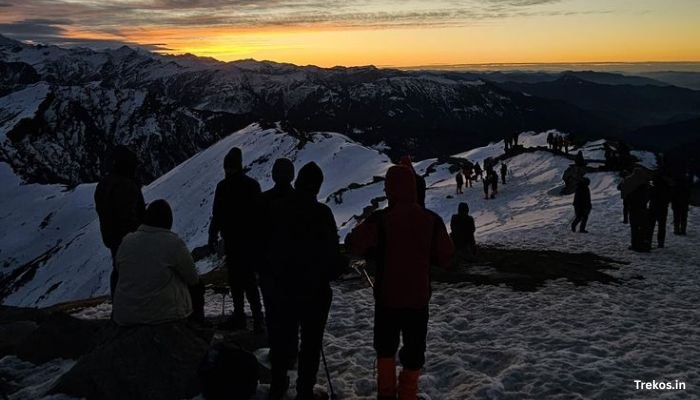
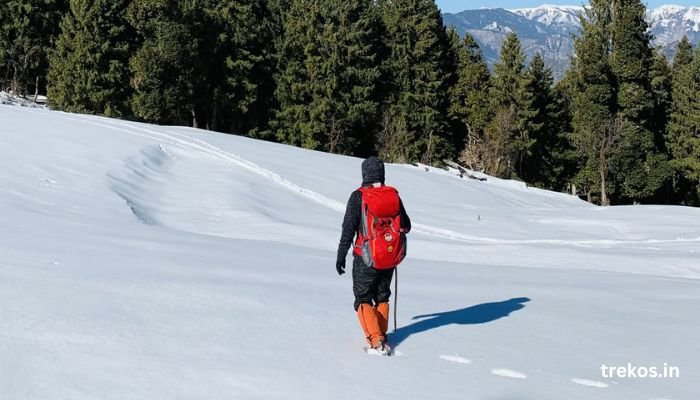
Snow-covered forests, frozen lakes (such as the campsite at Juda Ka Talab) and crisp sunrise views all make for a magical setting.
-
Daytime temperatures hover around 5–10 °C while nights can plunge to −5 °C or even lower, so proper winter gear is essential.
-
If your idea of the perfect trek involves skiing-style snow, tranquil white landscapes and the feel of a true winter expedition, this is the best time for the Kedarkantha trek.
Pros: Snow-packed scenery, beautiful summit views, excellent for photography.
Cons: Cold nights, potentially icy or slippery trails, more gear needed and slightly more challenging.
2. Spring Transition (March to April)
As winter recedes and nature stirs, the windows of March–April offer an excellent blend of snow and greenery. This time frame often comes up when discussing the “Kedarkantha Trek Best Time” for trekkers who want a more moderate setting.
-
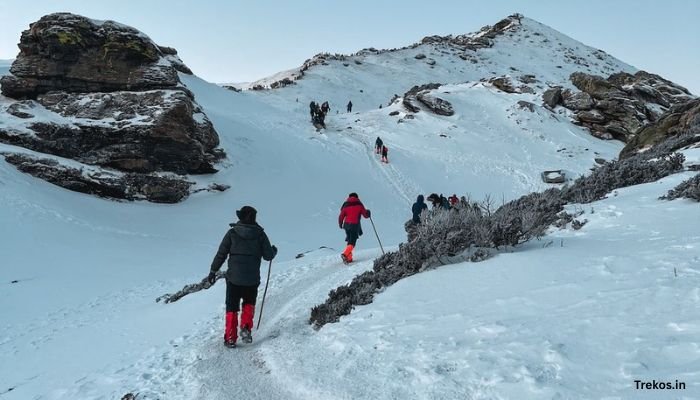
Snow may still linger at higher altitudes, but lower slopes begin to blossom with rhododendrons and meadows.
-
Daytime temperatures rise into the 10–15 °C range with nights still cool. Comfort improves while retaining mountain character.
-
Trail conditions are often balanced: less extreme than deep winter but still scenic.
Pros: Mild weather compared to peak winter, great scenery, suitable for those wanting comfort + adventure.
Cons: Snow patches may still exist (so gear still needed), and the trail may be busy because it’s popular.
3. Summer & Early Monsoon (May to June)
If you prefer greenery, open meadows and warmer conditions, May and June are worth considering for the Kedarkantha trek. According to multiple sources, this is a decent variant of “Kedarkantha Trek Best Time” for less extreme weather.
-
Snow is mostly gone, replaced by lush alpine meadows and vivid forests.
-
Daytime temps may range from 12–20 °C; nights still cool but manageable.
-
However, the monsoon arrives in some parts by late June, and trails may become slippery – so caution is advised.
Pros: Warmer trekking, good for beginners and families, vibrant green landscapes.
Cons: Less snow spectacle, possibility of early monsoon showers, and slightly less dramatic mountain contrast.
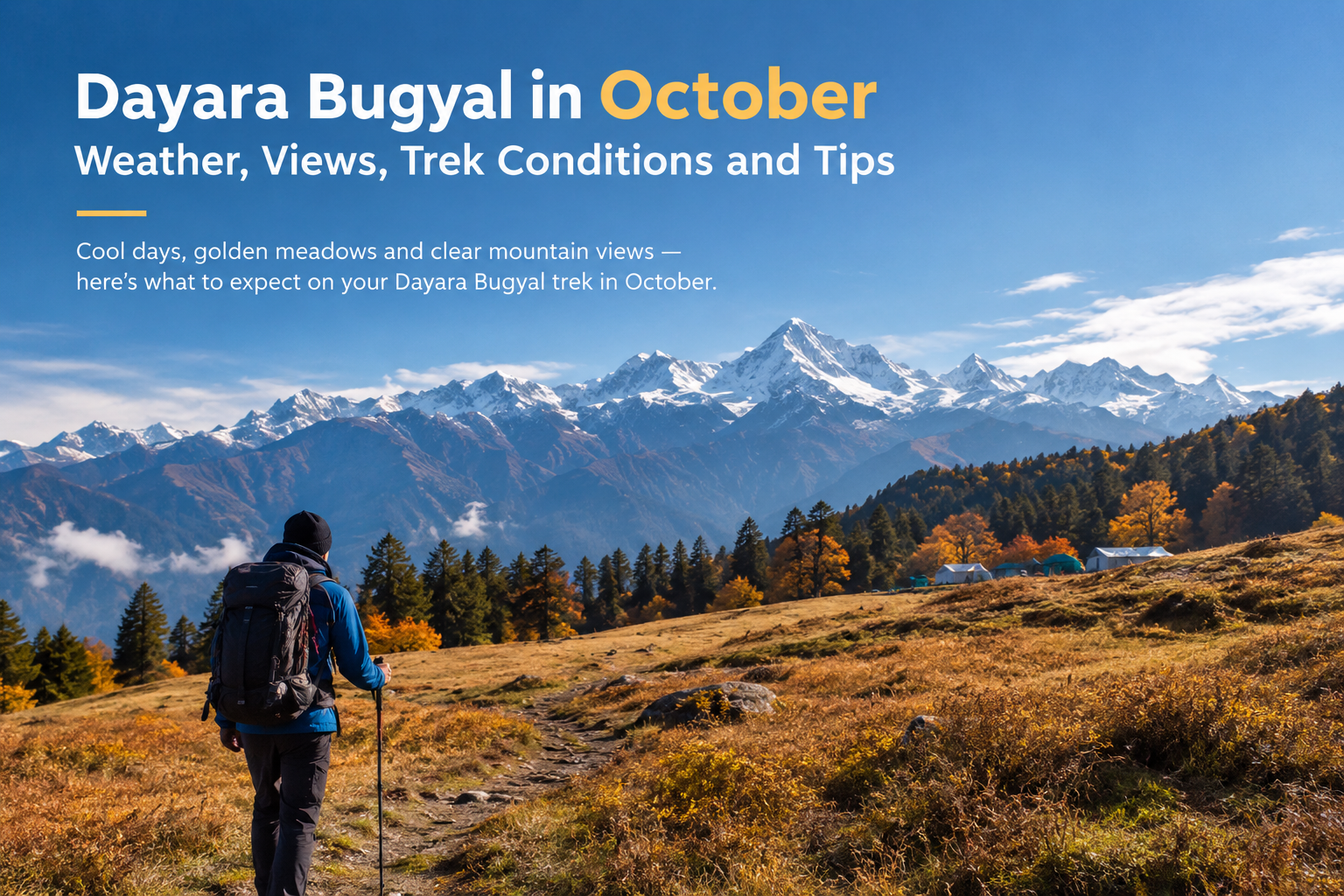
4. Autumn Clarity (September to November)
A less crowded but highly rewarding window for the Kedarkantha trek is the post-monsoon autumn season. Many trek-blogs list this among the favourable “Kedarkantha Trek Best Time” options.
-
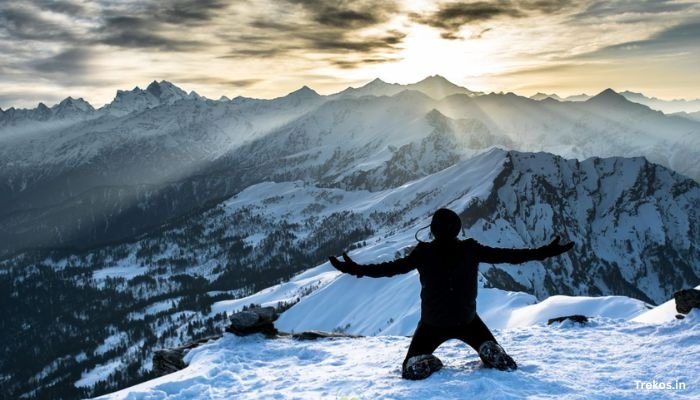
Skies tend to be clear post-monsoon, making distant Himalayan peaks pop with clarity.
-
Trails are dry and conditions more stable; ideal if you want to avoid deep snow but still want strong mountain views.
-
You may not get heavy snow, but the autumn landscapes are charming and serene.
Pros: Clear visuals of peaks, moderate weather, fewer crowds.
Cons: No heavy snow blanket (if that’s your goal), nights may still get cold.
5. When to Avoid / Special Considerations
Picking the “Kedarkantha Trek Best Time” also means knowing when to avoid or prepare extra carefully:
-
Monsoon months (July–August): Heavy rain, slippery trails, leeches, lower mountain visibility — many guides recommend avoiding this period.
-
Peak Snow with Low Visibility: Even in winter, weather can be unpredictable. Always check conditions before heading out.
-
Gear & Experience: If you trek in deep winter or early spring snow, you need warm clothing, maybe trekking poles/crampons, and good physical stamina.
6. Choosing Your Ideal Window
Here’s a quick summary to help decide your ideal “Kedarkantha Trek Best Time” based on your preference:
| Preference | Ideal Window |
|---|---|
| Pure snow immersion, winter landscape | December – February |
| Balance of snow + mild weather | March – April |
| Green meadows, beginner-friendly, warmer | May – June |
| Clear skies, autumn colours, fewer people | September – November |
Final Thoughts
The “Kedarkantha Trek Best Time” truly depends on what you want from your Himalayan adventure. If you’re chasing snow-covered pine forests and summit drifts, winter is unbeatable. If you prefer gentler trails and warmer conditions, spring or early summer might be perfect. For crisp views and minimal crowds, autumn is a hidden gem.
Whatever you choose, plan ahead, check weather updates, pack appropriately, and you’ll be set for a memorable trek to the summit of Kedarkantha at 12,500 ft.
FAQs – About “Kedarkantha Trek Best Time”
-
Q: What is the best time for Kedarkantha trek if I want to see heavy snow?
A: For heavy snow, aim for December to February—the peak snow season for the Kedarkantha trek. -
Q: Can I trek Kedarkantha in summer and still have a good experience?
A: Yes. May to June offers pleasant weather and green landscapes though snow will be minimal. -
Q: Is autumn a good time for the Kedarkantha trek?
A: Absolutely. September to November provides clear skies, fewer crowds and stable weather—often listed among ideal “Kedarkantha Trek Best Time” windows. -
Q: Should I avoid trekking Kedarkantha during the monsoon?
A: Yes, the monsoon months (July–August) are generally less recommended due to rain, slippery trails and uncertain conditions. -
Q: I’m a beginner—what’s the best time for me to attempt the Kedarkantha trek?
A: For beginners, March–April or May–June are great choices: milder weather, manageable trails, and still beautiful scenery.