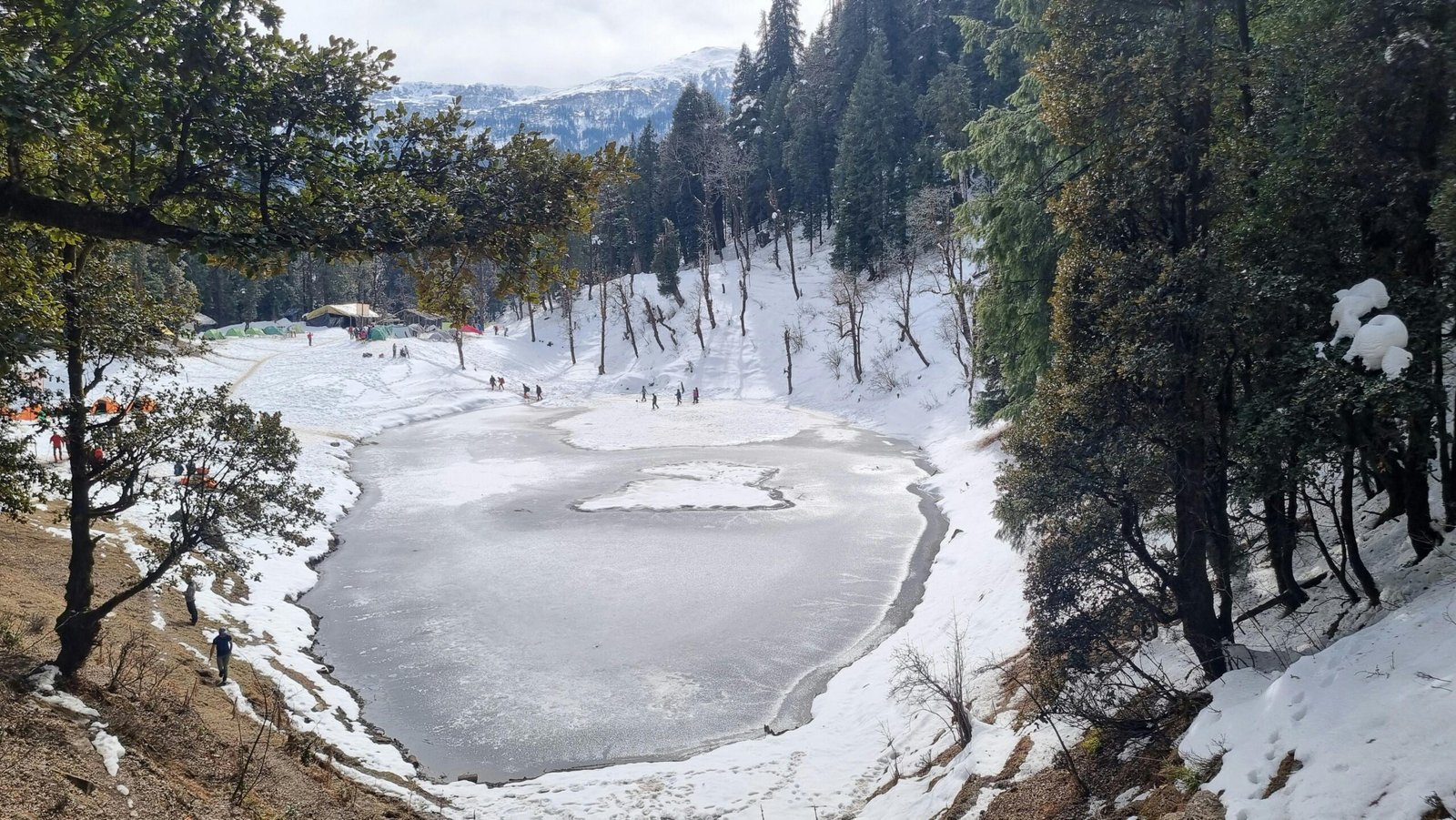
The Himalayas welcome thousands of trekkers every year, and among all popular winter trails, the Kedarkantha Summit stands out because of its stunning snowfall, open meadows, and 360-degree peak views. If you are planning the kedarkantha trek or comparing which kedarkantha package fits your travel dates, understanding the month-wise weather makes a huge difference. Weather shapes your experience—how challenging the trail feels, how much snow you will walk on, and how clear the summit views appear.
This detailed guide explains the Kedarkantha Summit conditions for every month—snow levels, temperature ranges, visibility, trekking difficulty, and what you can expect during your journey.
Kedarkantha Summit Climate Overview
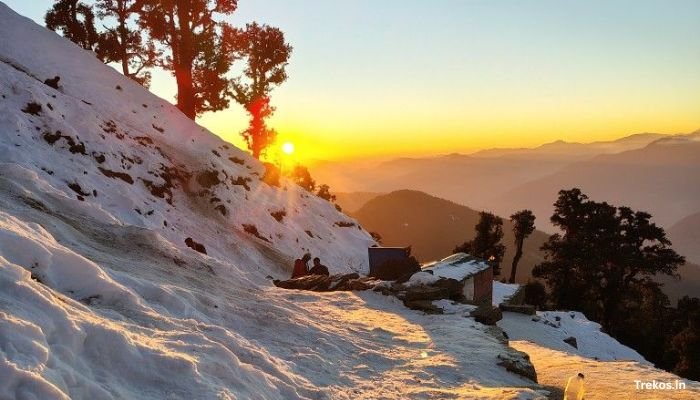
The overall climate near the Kedarkantha Summit is cold, crisp, and alpine. Because the trek reaches around 12,500 ft, temperatures drop sharply during winter. Snowfall begins fairly early compared to other treks, which is why the kedarkantha trek is considered one of the best winter experiences in India. Whether you book a budget or premium kedarkantha Tour, you will notice that most organizers emphasize choosing the right month—because the conditions can transform the trail completely.
Why Weather Matters for Kedarkantha Summit Trek
Weather impacts everything: the snow quantity, trail safety, visibility at the top, and camping comfort. For many trekkers, the dream is to reach the Kedarkantha Summit during peak winter when the trail glows white. But for beginners or families, a slightly less snowy month is more suitable. Before selecting your kedarkantha Tour, knowing the month-wise break-down helps you choose the experience you want.
Month-Wise Weather Guide for Kedarkantha Summit
Below is a complete breakdown month by month. This section is extremely useful while planning your kedarkantha trek.
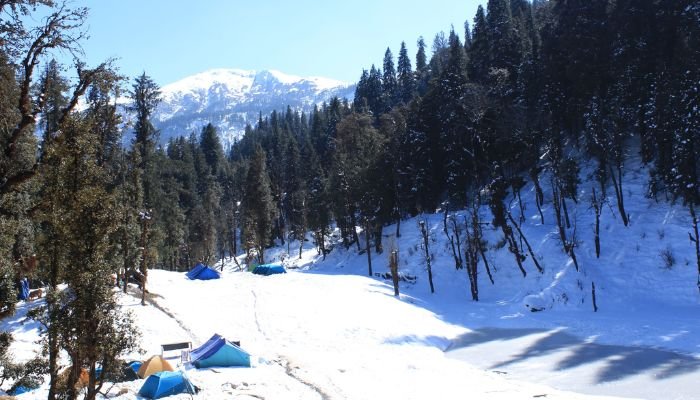
January – Peak Winter at Kedarkantha Summit
Snow: Very heavy
Temperature: –10°C to –2°C
Visibility: Clear skies but extremely cold
January offers the deepest snow levels on the Kedarkantha Summit. The trail becomes fully white, creating postcard-like scenery. But extreme cold means you need high-quality gear. Many trekkers book January kedarkantha Tour options because they want the pure winter feel. If you are okay with low temperatures, January will reward you with breathtaking summit views and smooth snow trails.
February – Stable Snow and Great Views
Snow: Thick but stable
Temperature: –6°C to 2°C
Visibility: Excellent
February still carries thick snow, but temperatures become slightly more tolerable. The Kedarkantha Summit views are clearer because the sky remains mostly cloud-free. This month is ideal for the kedarkantha trek if you want winter charm without the harsh cold of January. Most kedarkantha package plans consider February as one of the easiest winter months for beginners.
March – Beginning of Spring Snow Melt
Snow: Moderate
Temperature: –2°C to 6°C
Visibility: Very good
March brings longer daytime and slightly warmer conditions. Snow starts melting on the lower trail but remains fresh near the Kedarkantha Summit. You get a combination of spring plus winter beauty. The kedarkantha trek becomes more comfortable, and trekking groups increase. If you want a mild winter experience, consider a March kedarkantha Tour.
April – Clear Trails and Crisp Weather
Snow: Light to moderate
Temperature: 0°C to 10°C
Visibility: Excellent
April has the most balanced weather. Lower camps lose snow, but you can still find icy patches near the top. Visibility at the Kedarkantha Summit is exceptional. April is recommended for beginners, families, and first-timers choosing a kedarkantha package who prefer less snow and safer trails.
May – Green Meadows and Warm Days
Snow: Very little
Temperature: 4°C to 14°C
Visibility: Very clear
May is the start of summer. Meadows turn green, forests feel fresh, and the trail becomes scenic. Snow rarely remains at the top except in small patches. This is a fantastic month if you want an easier kedarkantha trek. Visibility is sharp, and weather remains stable throughout the day.
June – Pre-Monsoon Sunshine
Snow: Almost none
Temperature: 6°C to 16°C
Visibility: Good
June is warmer, and clouds occasionally appear. The Kedarkantha Summit remains snow-free. This is the last good month before monsoon. Many trekkers use a June kedarkantha Tour because it’s comfortable and requires minimal winter gear.
July – Monsoon Clouds & Slippery Trails
Snow: None
Temperature: 8°C to 15°C
Visibility: Very low
Note: Not recommended
During monsoon, the trail becomes slippery and risky. Landslides and cloud cover reduce visibility. Most organizers do not offer kedarkantha Tour deals during monsoon because safety becomes unpredictable.
August – Heavy Rains & Poor Visibility
Snow: None
Temperature: 8°C to 15°C
Visibility: Poor
Not suitable for trekking
August remains risky. Continuous rain, wet rocks, and fog make reaching the Kedarkantha Summit extremely difficult. The kedarkantha trek is not advisable this month.
September – Fresh Post-Monsoon Views
Snow: None
Temperature: 6°C to 14°C
Visibility: Excellent
The skies clear, forests look lush, and the trail is dry again. September is a hidden gem month for photographers. You get vast greenery and crisp visibility. A few kedarkantha Tour providers restart operations by late September.
October – Perfect Autumn Weather
Snow: Minimal
Temperature: 2°C to 10°C
Visibility: Excellent
October is one of the best months for the kedarkantha trek. The climate is cool, sky remains clear, and the trail conditions are ideal. Many trekkers choose October because you get stunning autumn landscapes without snow difficulty.
November – Beginning of Snowfall
Snow: Light to moderate
Temperature: –2°C to 6°C
Visibility: Clear
Snowfall begins around late November. The Kedarkantha Summit starts turning white. This marks the beginning of the winter season, and kedarkantha package bookings increase during this period.
December – Peak Winter Begins
Snow: Heavy
Temperature: –8°C to 0°C
Visibility: Clear & crisp
December is extremely popular among trekkers who want a true snow adventure. The trail becomes magical. If you are planning a festive season kedarkantha Tour, December is perfect. Weather is cold but visibility at the summit is excellent.
Best Time to Trek to Kedarkantha Summit
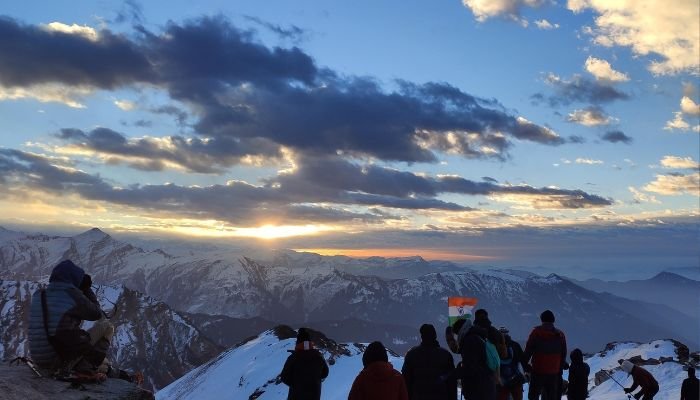
The Kedarkantha Summit can technically be visited from October to April, but the experience differs drastically depending on the month.
Best months based on preference:
-
For snow lovers: December, January, February
-
For beginners: March, April, October
-
For green landscapes: May, September
-
To avoid: July & August
Your choice of kedarkantha Tour should reflect the type of experience you want—heavy snow adventure or a comfortable trek.
Visibility Guide for Kedarkantha Summit
Visibility can change your entire trekking experience. Weather patterns shift quickly at this altitude.
Best Visibility Months
January, February, April, October, and December offer the sharpest views of:
-
Swargarohini
-
Black Peak
-
Bandarpoonch
-
Dhauladhar Range
Choosing the right season ensures your kedarkantha trek feels rewarding at the top.
Snow Levels at Kedarkantha Summit (Month-Wise Table)
| Month | Snow Level | Difficulty |
|---|---|---|
| Jan | Very heavy | High |
| Feb | Heavy | Moderate |
| Mar | Moderate | Moderate |
| Apr | Light | Easy |
| May | Minimal | Very easy |
| Jun | None | Very easy |
| Jul | None | Not recommended |
| Aug | None | Not recommended |
| Sep | None | Easy |
| Oct | Light | Very easy |
| Nov | Moderate | Easy |
| Dec | Heavy | Moderate |
This helps you match the perfect kedarkantha package to the weather conditions.
Tips for Choosing the Right Kedarkantha Package
Whether you are a beginner or an experienced trekker, choosing a kedarkantha package from a reliable provider ensures safety and comfort.
Key factors to consider:
-
Experience of the trek leader
-
Snow equipment availability
-
Weather updates and safety procedures
-
Medical support and oxygen cylinders
-
Proper winter gear recommendations
-
Group size
A good operator makes the kedarkantha trek comfortable even in harsh winter.
FAQs About Kedarkantha Summit Weather
What is the best month to visit the Kedarkantha Summit?
The best month depends on the experience you want. For heavy snow, January and February are ideal. For moderate weather, March and April work best. If you want clear visibility and comfortable trekking, October and December are great choices. Each season offers a different charm, so pick according to your fitness and preferences.
Does the Kedarkantha Summit always have snow in winter?
Yes, from December to March the Kedarkantha Summit remains covered in snow. The depth varies month to month, with January showing the heaviest accumulation. Trekkers must carry proper gear because temperatures drop below freezing. Even in moderate winter months, icy patches are common.
Is it safe to trek during snowfall?
Trekking during snowfall can be safe if you are with experienced guides and using quality equipment. Most kedarkantha package providers monitor weather patterns closely. However, heavy or continuous snowfall may slow down the trek or require route changes for safety. Beginners should avoid trekking during extreme snowfall.
How cold does it get at Kedarkantha Summit?
Winter temperatures drop as low as –10°C at night, while daytime remains between –5°C to 0°C in peak winter. Spring and autumn are milder with temperatures ranging from 2°C to 10°C. Proper layering, gloves, and waterproof shoes are essential to stay comfortable, especially during the summit climb.
When does snowfall start on the Kedarkantha trek?
Snowfall usually begins in late November and continues till early April. December marks the start of consistent seasonal snow, which increases in January and February. Even in March you can find snow near the higher sections, especially close to the summit ridge.