The Himalayas have no shortage of beautiful trekking routes. But Roopkund is different.
The Roopkund Trek combines high-altitude landscapes, large alpine meadows, snow, remote mountain terrain and one of the strangest archaeological discoveries in the Himalayas: human skeletal remains around a small lake.
That is why people often call Roopkund the Skeleton Lake Trek.
But the real mystery is more complicated than the name suggests.
Scientific research has shown that the remains did not all come from one group that died at the same time. Researchers studied ancient DNA, radiocarbon dates and stable isotopes from the remains and found evidence of different groups arriving at the lake during different periods.
So, what actually happened at Roopkund?
The honest answer is that science has solved some parts of the mystery, but not every detail. And that makes the trek even more interesting.
Where Is Roopkund Lake?
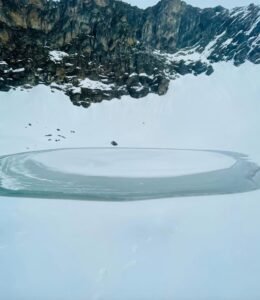
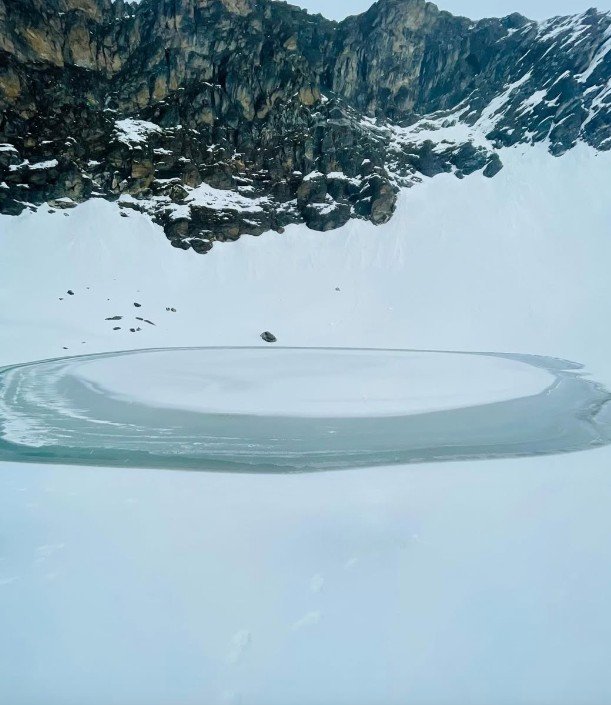
Roopkund Lake lies in the Garhwal Himalayas of Uttarakhand at an elevation of about 5,029 metres (16,500 feet) above sea level. The lake is relatively small, measuring around 40 metres across, but its surroundings have made it one of the most talked-about places in the region.
The traditional trekking route approaches the lake through areas such as Wan, Bedni Bugyal and Baggubasa.
Many trekking company like himalayan dream treks lists a Roopkund itinerary starting from Rishikesh and passing through Mundoli, Wan, Bedni Bugyal, Baggubasa and Roopkund, with an extended route continuing towards Homekund. Its published itinerary gives about 103 km of trekking for the longer version and describes a 10-day journey, with additional days for the Homekund extension.
Actual itineraries can differ depending on the route, permissions, season and trekking operator.
Why Is Roopkund Called Skeleton Lake?
This is where the story gets unusual.
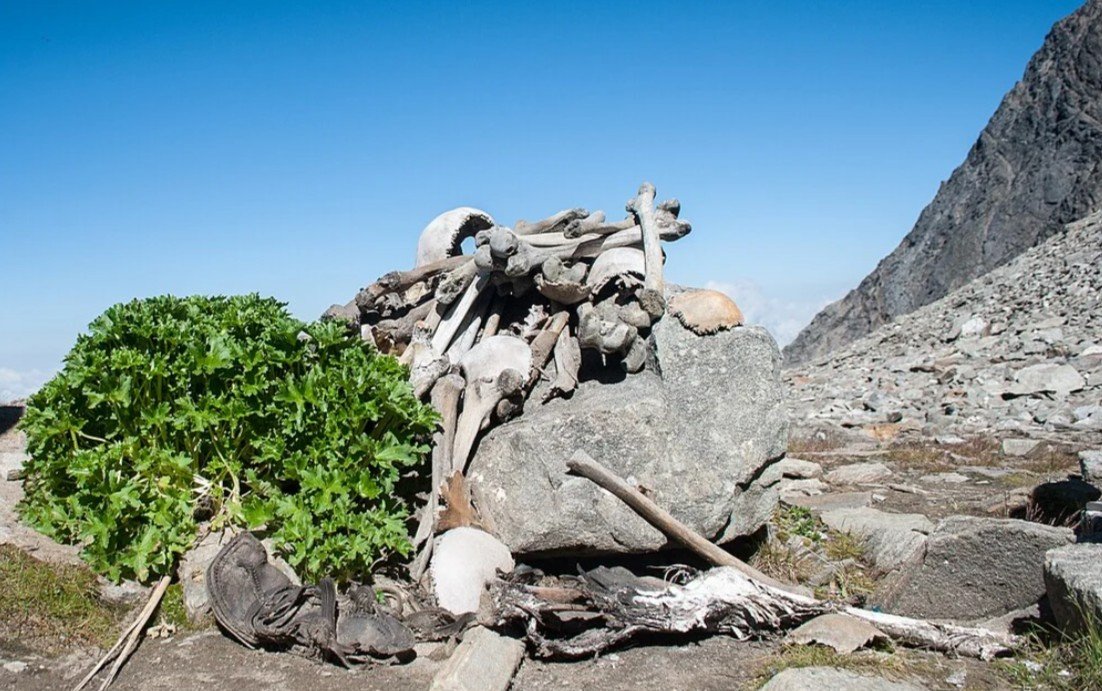
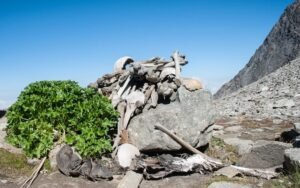
Human skeletal remains have been found around Roopkund Lake. Their presence became the central mystery of the area and gave the lake its popular name, Skeleton Lake.
For years, different explanations circulated.
Some local stories connect the remains with a pilgrimage and the wrath of the goddess Nanda Devi. Other theories suggested that the people may have been soldiers, traders or victims of an epidemic. The scientific paper published in Nature Communications notes several of these earlier explanations.
But legends and scientific evidence are two different things.
A good Roopkund Trek guide should make that distinction clear.
What Has Science Discovered About the Skeletons?
In 2019, researchers published an important study in Nature Communications after analysing genome-wide ancient DNA from 38 individuals associated with Roopkund.
The results changed the way scientists understood the site.
The researchers identified three genetically distinct groups.
One group of 23 individuals had ancestry within the range of present-day South Asian populations. Another group of 14 individuals showed eastern Mediterranean-related ancestry. The study also identified one individual with Southeast Asian-related ancestry.
That is already surprising.
But the dates make the story even stranger.
Radiocarbon dating showed that these groups did not all arrive at Roopkund at the same time. The South Asian-related individuals generally dated to around the 7th to 10th centuries CE, while the eastern Mediterranean-related group and the Southeast Asian-related individual dated to around the 17th to 20th centuries CE.
In simple words, the skeletons represent more than one historical episode.
So the popular idea that one group died together in one single disaster does not explain the complete evidence.
Did a Hailstorm Kill the People at Roopkund?
This is one of the theories often connected with Roopkund.
The scientific study found that three individuals had unhealed compression fractures. The researchers noted that such injuries could potentially have occurred during a severe hailstorm, while also making it clear that other explanations remained possible.
That distinction matters.
It would be wrong to say, “Scientists proved a hailstorm killed everyone at Roopkund.”
They did not.
The evidence suggests that a violent weather event may explain some injuries, but it does not establish one simple cause for all the deaths represented at the lake.
That is one reason the Roopkund mystery continues to attract attention.
The Nanda Devi Connection
Roopkund also has a connection with the wider cultural and pilgrimage landscape of Uttarakhand.
The Nature Communications study notes that the lake lies on the route of the Nanda Devi Raj Jat pilgrimage, which traditionally takes place every 12 years. The researchers also discussed the possibility that at least some of the earlier remains could be connected to people travelling in this broader pilgrimage environment.
However, this should not be turned into a simple claim that the study proved every skeleton belonged to pilgrims.
The researchers found genetic and chronological differences among the individuals.
That is exactly why Roopkund is so fascinating: the evidence does not fit neatly into one story.
What Is the Roopkund Trek Like?
The mystery may bring people to Roopkund, but the landscape keeps them interested.
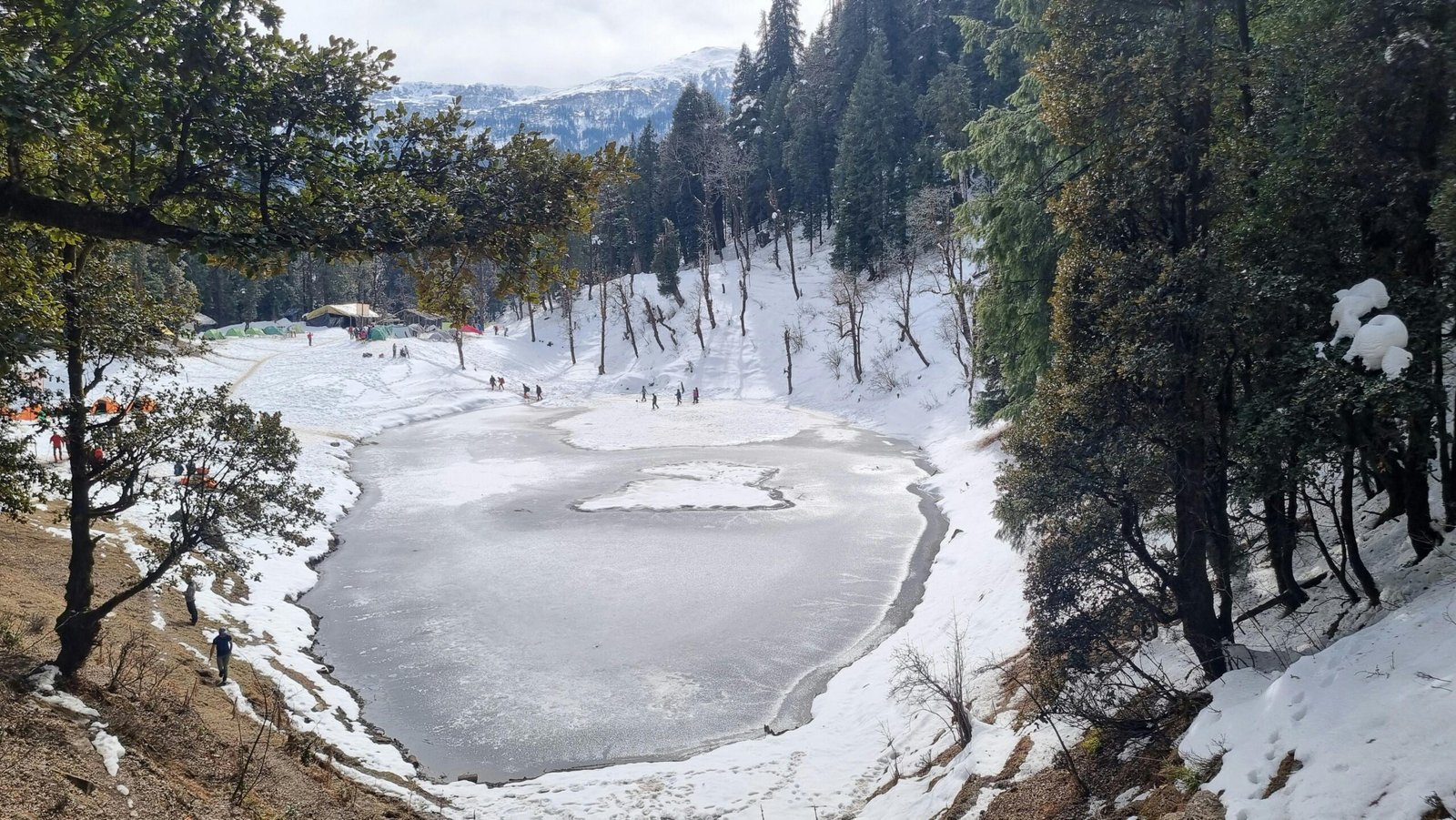
The classic route moves through forests, mountain villages and high-altitude meadows before reaching more exposed terrain.
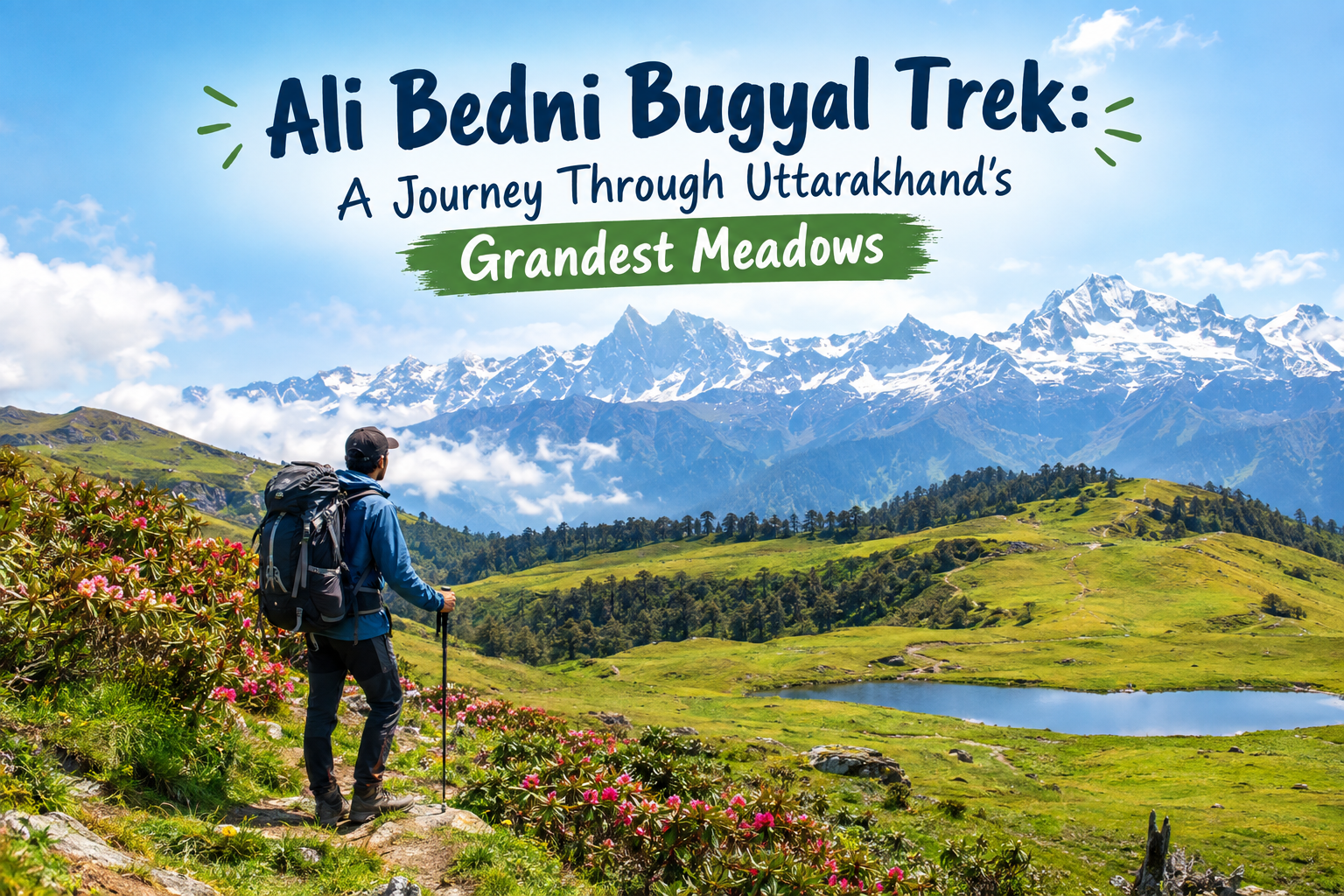
One of the major highlights is Bedni Bugyal, a wide alpine meadow that forms an important part of the traditional route.
The official Uttarakhand Tourism itinerary describes the approach through Wan and Bedni Bugyal before continuing towards Baggubasa and Roopkund.
The scenery changes as you gain altitude.
Lower sections feel more sheltered and green. Higher sections become colder, more open and much more rugged.
Then comes the lake.
And after all those hours of walking, seeing a small lake surrounded by huge Himalayan terrain can feel quite surreal.
Roopkund Trek Difficulty
The Roopkund Trek difficulty comes mainly from altitude, duration and changing mountain conditions.
Roopkund sits above 5,000 metres. That alone makes it very different from a low-altitude weekend trek.
You also need to walk for several days and deal with steep sections, uneven ground and cold conditions.
The official tourism itinerary itself treats Roopkund as a substantial trekking journey rather than a short walk.
For that reason, I would not recommend Roopkund as the first-ever trek for someone who has never walked in the mountains.
A fit beginner with proper preparation can approach a high-altitude trek more confidently, but previous trekking experience is useful.
The mountain does not care how many kilometres you can run on a treadmill.
Best Time for Roopkund Trek
The best time depends on the route conditions, permissions and the kind of experience you want.
Traditionally, trekkers have considered the pre-monsoon and post-monsoon periods for the Roopkund route. However, conditions at high altitude can change quickly, and access rules can also change.
This is particularly important because Roopkund passes through an environmentally sensitive high-altitude landscape.
Before booking a trek, check the latest information from the relevant authorities and your trekking operator rather than relying on an old blog or a social media post from several years ago.
A beautiful Instagram photograph from June does not guarantee that the same trail will look the same when you arrive.
How Long Does the Roopkund Trek Take?
There is no single duration that applies to every Roopkund itinerary.
The Trekking comapny published itinerary gives a 10-day journey, including travel and trekking sections, with two additional days if the trek extends to Homekund. It lists a total trekking distance of about 103 km for that longer itinerary.
Commercial trekking itineraries may use different schedules.
That is why you should compare the actual itinerary instead of choosing a trek simply because one company advertises fewer days.
Check where you start, where you camp, how much you trek each day and what the maximum altitude will be.
What Fitness Do You Need?
You do not need to become a professional athlete before Roopkund.
You do need decent endurance.
Start training several weeks before your trip. Long walks, stair climbing, cycling, jogging and basic strength exercises can help prepare your legs.
Walking with a light backpack is also useful because trekking feels very different when you carry your own gear.
The goal is not to finish every training session exhausted.
The goal is to make several hours of mountain walking feel manageable.
What Should You Pack for Roopkund?
Your packing list should focus on weather, walking and safety.
Carry good trekking shoes with proper grip, warm layers, gloves, a cap, rain protection, sunglasses, sunscreen, a headlamp, water bottles and personal medicines.
Your operator may provide some equipment such as tents, sleeping bags or other camping gear, so check the inclusions before buying or renting equipment.
Keep your backpack as light as practical.
You will appreciate that decision when the trail starts going uphill.
Altitude Is a Serious Matter
One of the biggest mistakes beginners make is treating altitude like normal tiredness.
At high elevations, your body has less oxygen available than it does at lower elevations. You may feel tired, develop a headache or notice that even simple walking takes more effort.
Never hide symptoms because you want to reach the next campsite.
Tell your guide if you feel unwell.
Proper acclimatisation and a sensible pace matter more than trying to walk faster than everyone else.
A high-altitude trek is not a race.
Should You Go With a Guide?
For Roopkund, an experienced guide or organised trekking team is a sensible choice, especially if you are unfamiliar with high-altitude trekking.
The route involves remote mountain terrain and changing conditions.
A good guide can help with route decisions, pacing, weather-related changes and emergency situations.
Before booking, ask about the guide’s experience, route permissions, accommodation or camping arrangements, emergency support and what equipment the package includes.
Do not judge a trekking company only by the lowest price.
On a remote trek, proper planning is worth much more than saving a small amount of money.
Respect the Roopkund Site
The skeletons are not tourist props.
Do not touch, move, collect or pose with human remains. Do not remove stones, artefacts or anything else from the site.
The 2019 research itself points out that the site has already experienced disturbance, including people manipulating remains and removing artefacts.
Leave the place as you found it.
Also follow local environmental rules, avoid littering and respect restrictions around camping and protected areas.
The Himalayas have survived without our plastic bottles. They can continue doing so.
What Makes Roopkund Trek Truly Mysterious?
The mystery is not simply that skeletons exist beside a mountain lake.
It is the fact that the scientific evidence tells a much more complicated story.
Researchers found people with different genetic backgrounds, including South Asian, eastern Mediterranean-related and Southeast Asian-related ancestry. They also found evidence that the remains reached the lake during different periods separated by roughly a thousand years.
That means one dramatic explanation cannot cover everything.
The lake has also existed within a landscape connected to Himalayan pilgrimage traditions, adding another layer to its history.
Some questions may eventually receive better answers.
Others may remain uncertain.
And perhaps that is part of what makes Roopkund so interesting.
Final Thoughts
The Roopkund Trek is much more than a trek to a mysterious lake.
It combines Himalayan landscapes, high-altitude trekking, alpine meadows, local traditions and an archaeological story that science continues to investigate.
The biggest lesson for a trekker is simple: do not believe every dramatic story you hear about Skeleton Lake.
The real evidence is already fascinating enough.
If you plan the trek, prepare your fitness, check the current route and permissions, choose a reliable trekking team and respect the environment and the historical site.
And when you finally reach Roopkund, remember that you are looking at a place with a history that is much older and more complicated than any travel headline can explain.
That is the real mystery.