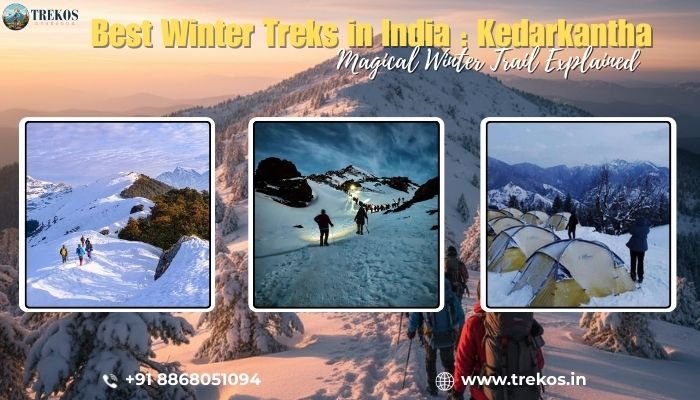
India’s Himalayan region offers countless snowy adventures, but only a few trails are celebrated as the Best Winter Treks in India. Among them, kedarkantha stands out for its balanced difficulty, mesmerizing forests, and breathtaking summit views. Every winter season, thousands of trekkers choose this trail for its deep snow paths, dramatic sunrises, and beginner-friendly terrain. But what makes the kedarkantha trail truly magical is the way it transforms into a serene winter wonderland, offering an experience that feels straight out of a storybook.
This comprehensive guide dives deep into everything you must know—weather, difficulty, snow levels, gear, route details, and month-wise conditions—helping you understand why kedarkantha ranks among the Best Winter Treks in India. Whether you are planning your first Himalayan trek or want to experience untouched winter beauty, this article will help you prepare with clarity and confidence.
Best Winter Treks in India – What Makes Kedarkantha a Standout?
When discussing the Best Winter Treks in India, the kedarkantha route consistently ranks at the top. But what makes this Himalayan trek such a favorite among beginners, photographers, and snow lovers? The answer lies in a combination of factors—its steady ascent, dense pine forests, open meadows, and a stunning summit offering 360° Himalayan views.
Why Kedarkantha Shines Among the Best Winter Treks in India
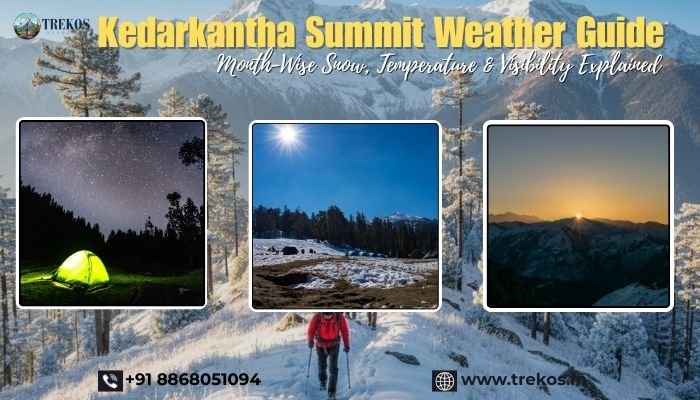
The kedarkantha trek offers everything a winter trekker dreams of: deep snow, clear skies, a rewarding summit, and campsites surrounded by towering pine trees. Not only is it visually enchanting, but the trail is also safe and manageable, making it ideal even for first-time trekkers. The summit day climb offers glowing sunrise views over peaks like Swargarohini, Bandarpoonch, and Black Peak—one of the most magical moments of Himalayan trekking.
Complete Overview of the Kedarkantha Winter Trek Experience
The kedarkantha trek is a relatively short yet immersive Himalayan trail. In winter, the forest floor is covered in layers of soft snow, the campsites light up under starlit skies, and the summit ridge becomes a thrilling walk on crisp white slopes.
Scenic Beauty of Kedarkantha During Winter
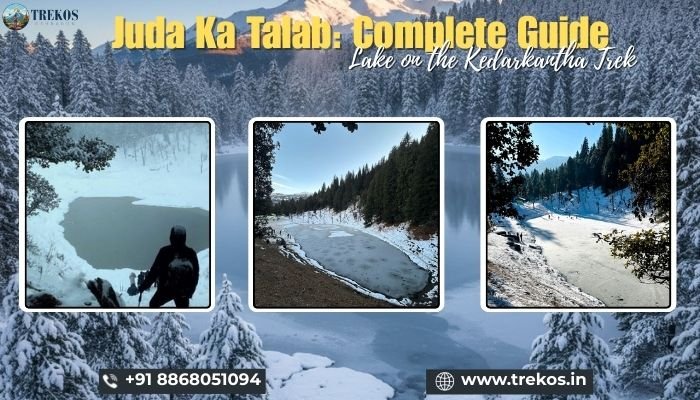
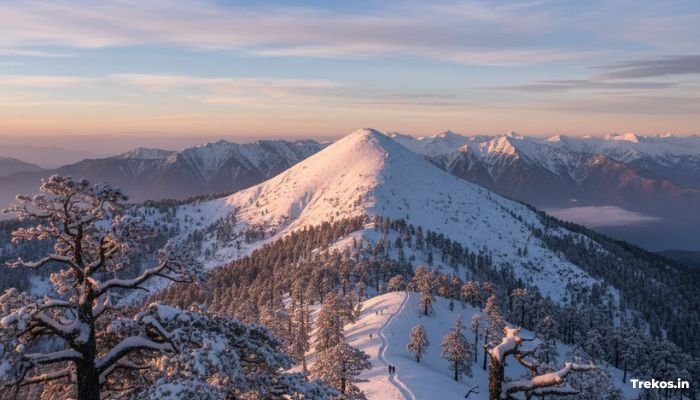
Winter transforms kedarkantha into a paradise. You walk through dense oak forests, snowy stretches, frozen lakes like Juda Ka Talab, and wide-open clearings offering breathtaking views of snow-laden peaks. The winter charm of this trail is exactly why it is consistently listed among the Best Winter Treks in India.
Best Winter Treks in India – Month-Wise Breakdown of Kedarkantha Weather
Understanding the month-wise conditions helps you plan the perfect kedarkantha trek. Snowfall patterns and temperatures change drastically across winter months.
Month-Wise Weather & Snow Table for Kedarkantha
| Month | Temperature (°C) | Snow Level | Visibility | Difficulty |
|---|---|---|---|---|
| December | -5 to 5 | Heavy Snow | Excellent | Moderate |
| January | -10 to 2 | Very Heavy Snow | Good | Moderate–High |
| February | -6 to 4 | Heavy Snow | Excellent | Moderate |
| March | -2 to 6 | Moderate Snow | Very Clear | Easy–Moderate |
| April | 0 to 10 | Light Snow | Clear | Easy |
This table reflects why the kedarkantha trek is strongly associated with the Best Winter Treks in India—consistent snow, scenic weather, and technical ease.
Kedarkantha Route Guide – Day-by-Day Experience
Below is a detailed breakdown to help trekkers visualize what the winter journey feels like.
Day 1 – Arrival at Sankri Village
Sankri, the base village, welcomes trekkers with cold weather and panoramic mountain views. Wooden houses, local markets, and warm hospitality make it a beautiful start. During winter, Sankri often receives light snowfall, setting the tone for the trail ahead.
Day 2 – Trek from Sankri to Juda Ka Talab
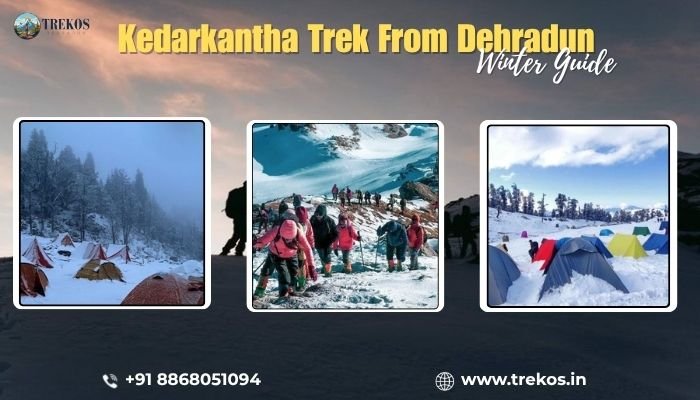
The trail begins with gradual climbs through oak and pine forests. In winter, every branch is dusted with snow, making the forest glow throughout the day. Juda Ka Talab partially freezes, adding to the winter beauty.
Day 3 – Juda Ka Talab to Kedarkantha Base Camp
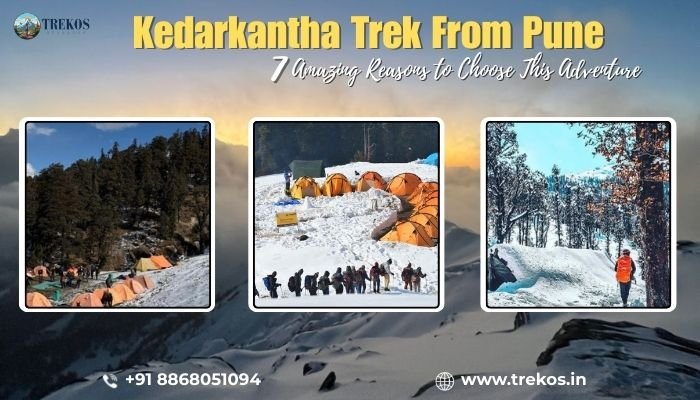
This part of the kedarkantha trail offers wide-open meadows and clear Himalayan views. Snow depth increases, and the temperature drops significantly at night. Base Camp is one of the most photogenic winter campsites in India.
Day 4 – Summit Day Climb to Kedarkantha Peak
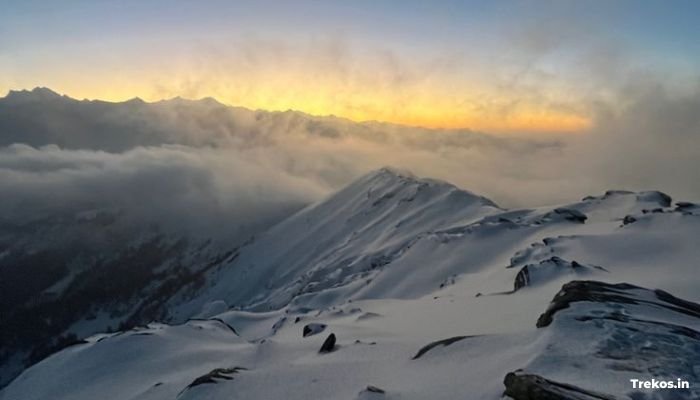
The summit climb starts early—usually at 3 AM. Fresh snow crunches under your feet, the trail sparkles under moonlight, and slowly, colors of dawn paint the sky. The final ridge below the kedarkantha summit is steep but manageable even for beginners. The reward is a 360° Himalayan view—one of the highlights that place this trek among the Best Winter Treks in India.
Day 5 – Return to Sankri
Descending through snowy forests offers new scenic angles. You return with unforgettable memories and a deep appreciation of Himalayan winters.
Challenges to Expect on This Winter Trail
Even though kedarkantha is beginner-friendly, trekkers must understand the winter challenges.
Cold Temperatures and High Wind Chill
Nights at Base Camp and the summit ridge are extremely cold. Temperatures can drop to -10°C, and wind chill can make it feel even colder.
Walking on Snow and Ice
Proper footwear and gaiters are essential. Snow can be knee-deep in January and February.
Steep Summit Climb
The final summit ascent is steep but manageable with proper pacing.
Despite these challenges, kedarkantha remains one of the Best Winter Treks in India because it balances adventure with accessibility.
Fitness and Preparation for the Kedarkantha Trek
Winter trekking requires moderate fitness and mental preparation.
Physical Training Tips
-
Jog 3–4 km regularly
-
Practice stair climbing
-
Improve lung capacity with breathing exercises
Mental Preparation
Snow trekking requires patience and awareness. Go slow and enjoy the beauty around you.
Essential Gear Checklist for Kedarkantha Winter Trek
Winter requires proper layering and protection.
Clothing Essentials
-
3-layer jackets
-
Thermals
-
Waterproof gloves
-
Winter trekking shoes
Other Must-Haves
-
Gaiters
-
Trekking poles
-
Microspikes (optional)
With proper gear, you can comfortably complete one of the Best Winter Treks in India.
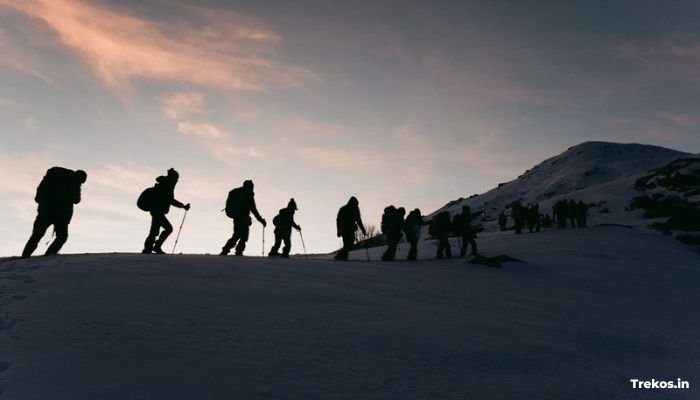
Why Kedarkantha Is a Top Choice Among Best Winter Treks in India
Trekkers choose kedarkantha for many reasons—heavy snowfall, forest beauty, a rewarding summit, and its beginner-friendly terrain. The trail offers a perfect combination of scenic forests, frozen lakes, and wide landscapes. Whether you’re looking for adventure or peaceful snowy moments, the kedarkantha trek is the ideal winter escape.
Safety Tips for a Smooth Winter Trek
Stay Hydrated
Cold reduces your thirst, but hydration is essential.
Protect Against Frostbite
Wear gloves, wool socks, and keep your face covered during high winds.
Follow Your Trek Leader
Winter conditions change quickly; always stay with your group.
FAQs About Kedarkantha & Winter Trekking
1: Is Kedarkantha suitable for beginners in winter?
Yes, kedarkantha is one of the most beginner-friendly Himalayan treks during winter. The trail is well-defined, the ascent is gradual, and the campsites are safe. But trekkers must carry proper gear and follow instructions strictly to manage the snow and cold weather effectively.
2: How much snow can I expect on Kedarkantha in December and January?
December and January receive heavy snowfall, covering the trail with deep layers of soft snow. Campsites like Juda Ka Talab and Base Camp turn completely white. Snow depth may reach knee-level in some sections, especially in January, making it a truly magical winter trek.
3: What makes Kedarkantha one of the Best Winter Treks in India?
Kedarkantha offers an ideal balance of snow, forest scenery, summit rewards, and trail safety. The 360° view from the peak, the winter campsites, and the thick pine forests all contribute to its popularity. The trek doesn’t require advanced skills, making it perfect for first-time winter trekkers.
4: What is the level of difficulty during the summit day climb?
The summit climb is steep but short. With an early start and proper pacing, even beginners can reach the top without difficulty. The snow may make the trail slippery, but using poles and proper winter shoes ensures smoother movement. The sunrise view from the top makes every step worth it.
5: Which month is best for experiencing full snow on Kedarkantha?
For guaranteed snow, January and February are the best months. These months offer thick, fresh snow at all altitudes, along with clear skies and crisp visibility. December also receives excellent snowfall, but peak snow depth usually appears in January.