

The Dehradun to Har Ki Dun Trek distance question usually means: how far is the drive from Dehradun to Sankri (the base), and what is the trekking distance from Sankri/Taluka to Har Ki Dun valley. This short guide explains both the road and trek distances, the route, best time to go, and simple tips for a safe, fun trek.
How far is Dehradun to Sankri (road distance)?
Dehradun to Sankri is around 190–200 km by road, usually taking 8–10 hours depending on stops and road conditions. Most trekkers travel from Dehradun (or Dehradun train station/Jolly Grant airport) to Sankri the day before the trek starts. This is the road portion of the overall Dehradun to Har Ki Dun Trek distance.
Trek distance: Sankri/Taluka to Har Ki Dun
From Sankri you take a jeepable road to Taluka (about 10–12 km by vehicle) and then start the trek. The foot trail commonly used is roughly 24–40 km round-trip depending on the exact itinerary (many operators list a total trek distance of about 40–54 km for the full circuit and approach). In simple terms: road drive from Sankri to Taluka + 14 km trek to Seema/Osla + 12–14 km onward to Har Ki Dun and return — these add up to the Dehradun to Har Ki Dun Trek distance you’ll experience on foot.
Typical 5–7 day itinerary (with focus on distance)
-
Day 1: Dehradun → Sankri (drive ~190–200 km).
-
Day 2: Sankri → Taluka (jeep 10–12 km) → Trek Taluka to Seema/Osla (~14 km trek).
-
Day 3: Seema/Osla → Har Ki Dun valley (about 10–12 km trek).
-
Day 4–5: Explore valley, return the same way to Sankri, then drive back to Dehradun.
This itinerary gives you rest, acclimatization, and time to enjoy the valley views — all part of the Dehradun to Har Ki Dun Trek distance experience.
Seasonal Weather Overview for Dehradun to Har Ki Dun Trek
| Month | Day Temperature (°C) | Night Temperature (°C) | Weather Condition |
|---|---|---|---|
| January | 5°C to 10°C | -5°C to -10°C | Snowfall, very cold, mostly clear |
| February | 8°C to 12°C | -3°C to -7°C | Snowfall reduces, cold |
| March | 10°C to 15°C | 0°C to 5°C | Cold, clear skies, occasional snow patches |
| April | 12°C to 18°C | 3°C to 7°C | Pleasant days, chilly nights |
| May | 15°C to 22°C | 5°C to 10°C | Mild, pleasant weather |
| June | 18°C to 22°C | 8°C to 12°C | Warm days, cooler nights |
| July | 16°C to 22°C | 10°C to 14°C | Monsoon season, rain, humid |
| August | 16°C to 22°C | 10°C to 14°C | Monsoon continues, occasional showers |
| September | 15°C to 20°C | 7°C to 12°C | Post-monsoon, clear skies |
| October | 12°C to 18°C | 3°C to 7°C | Cool, pleasant, clear skies |
| November | 8°C to 15°C | -1°C to 5°C | Cold, winter approaches |
| December | 5°C to 10°C | -3°C to -7°C | Cold, snowfall begins late December |
How to travel in har ki dun trek?
The journey from major cities to the treks starting point.
By air:
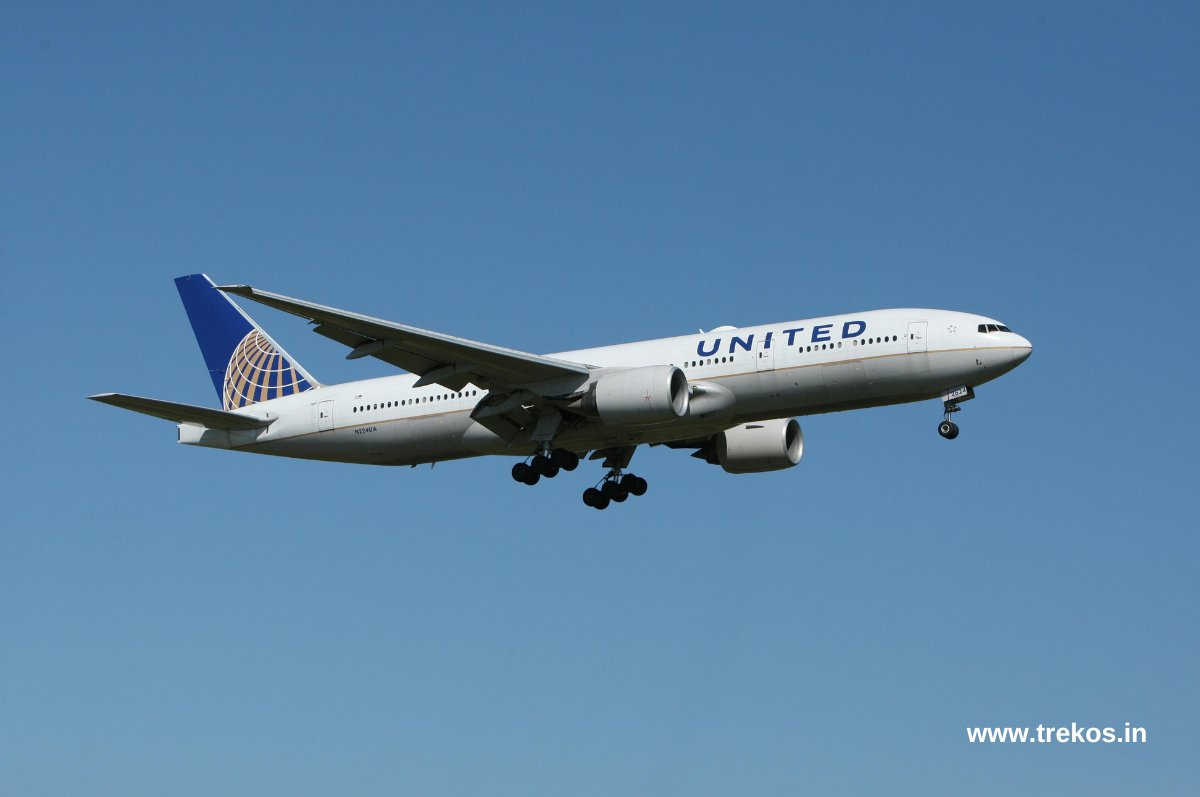
- Fly into jolly grant airport, located about 25 km from Dehradun city.
The airport has regular, flights from major cities like, Delhi, Mumbai, and Bangalore.
- From the airport, take a taxi or a bus to Dehradun city.
By train:
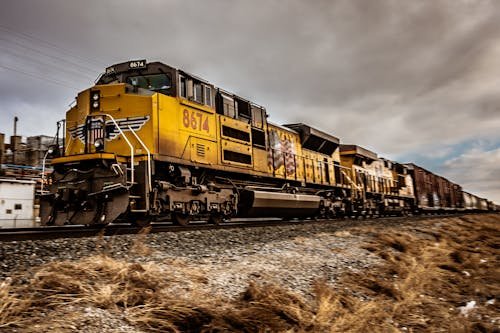
- Dehradun has excellent rail connectivity with major cities. Popular trains include the Dehradun express and Nanda Devi express from New Delhi.
- Once at the Dehradun railway station, you can proceed to the next step by road.
By road:
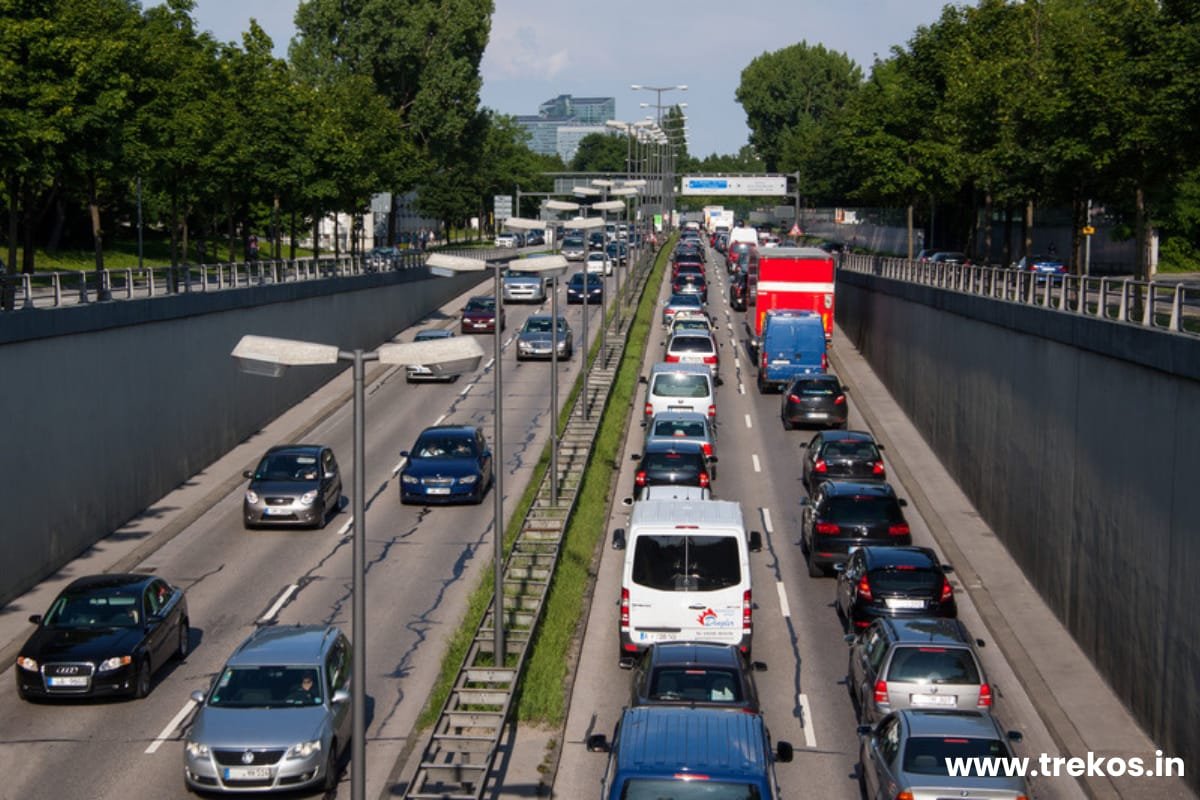
- Dehradun is well-connected by road with cities like Delhi, Haridwar, and Rishikesh.
Regular buses (private and government-operated) run between these cities and Dehradun.
- Alternatively, you can hire a private taxi.
Details Dehradun to Har Ki Dun trek
1. Starting Point: Dehradun (as depicted with an image of the Clock Tower, a famous landmark).
2. Ending Point: Har Ki Dun, with an image showing a riverside and mountains.
3. Route Information: The route includes driving (indicated by a car icon) and trekking (depicted by a hiker with a backpack and map).
4. Contact Info: A phone number and a website (www.terkos.in) for further inquiries.
5. Social Media Links: Icons for Facebook, LinkedIn, YouTube, Instagram, and a WhatsApp phone contact number.
Trek Detail Dehradun to Har Ki Dun Trek
Distance: The trek from Sankri village to Har Ki Dun is approximately 24 kilometers one way.
Elevation: The trek reaches a maximum altitude of 3,566 meters (11,700 feet) at Har Ki Dun.
Duration: It usually takes 6 to 7 days to complete the trek, depending on the itinerary.
Best Time to Visit: The ideal time to do this trek is from April to June and September to November. These months offer clear skies and pleasant weather for trekking.
Weather for Har Ki Dun trek:
Spring/Summer (April to June): Day temperatures range between 10°C to 15°C, and nights can get cooler, dropping to around 5°C. The landscape is lush and green during this period, with blooming flowers.
Autumn (September to November): This season offers clear skies, and temperatures range from 5°C to 10°C during the day. Nights can be cold, with temperatures dropping to -5°C in higher altitudes.
Winter (December to March): Har Ki Dun trek experiences heavy snowfall, and the region is often inaccessible due to snow-covered paths. Temperatures can drop to -15°C at night.
FAQ for the Dehradun to Har Ki Dun Trek
1. How far is Har Ki Dun from Dehradun?
The distance from Dehradun to Sankri (the base village) is around 190–200 km, followed by a 24–40 km trek depending on your route and itinerary.
2. How long does the Har Ki Dun trek take?
Most itineraries take 5 to 7 days, including travel, trekking, and return.
3. What is the difficulty level of the trek?
The Har Ki Dun trek is moderate, making it suitable for beginners with basic fitness.
4. What is the best time to do the Har Ki Dun trek?
The best months are:
-
April to June (pleasant weather)
-
September to November (clear skies & great views)
5. Do we need a guide for the Har Ki Dun trek?
Yes, a guide is recommended, as the trail passes through forests, villages, and remote areas where navigation can be confusing.
6. What is the altitude of Har Ki Dun valley?
The valley sits at around 3,500 meters (about 11,500 feet) above sea level.
7. Is camping allowed during the trek?
Yes, camping is allowed at popular sites like Juda-ka-Talab, Seema/Osla, and Har Ki Dun as per forest permissions.
8. What is the temperature during the trek?
Temperatures vary by season:
-
Summer: 10°C to 22°C
-
Winter: -10°C and below in some areas
Nights are always colder than days.