
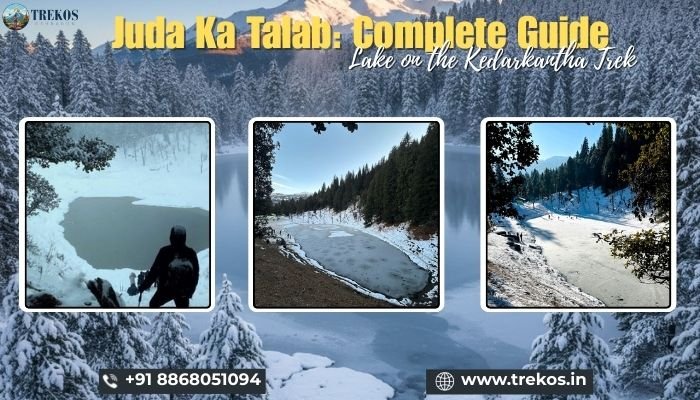
The Himalayas are dotted with breathtaking landscapes, but few places capture the essence of serene winter trekking like Juda Ka Talab. Located on the popular Kedarkantha trek, this high-altitude lake has become a must-visit spot for adventure enthusiasts, photographers, and nature lovers alike. From its pristine frozen surface in winter to its surrounding pine forests, The Talab offers an experience that blends natural beauty, adventure, and tranquility.
This comprehensive guide covers everything you need to know about Juda Ka Talab—its history, location, unique features, trekking tips, and why it has become one of the most cherished stops on the Kedarkantha.
Juda Ka Talab – Location and How to Reach
Juda Ka Talab is situated in the Uttarkashi district of Uttarakhand, along the route of the Kedarkantha. It lies at an approximate altitude of 11,500–12,000 feet above sea level, making it one of the highest natural lakes trekkers encounter on this trail.
Reaching Juda Ka Talab During the Kedarkantha Trek
-
The journey begins from Sankri village, the base point for the Kedarkantha.
-
Trekkers typically take 2–3 days to reach Juda Ka Talab, passing through dense oak and pine forests.
-
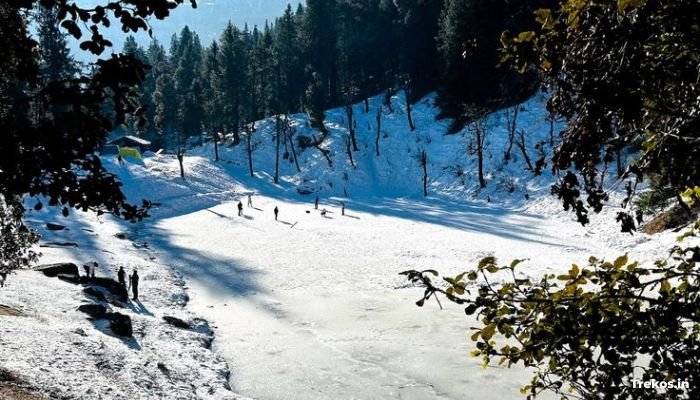
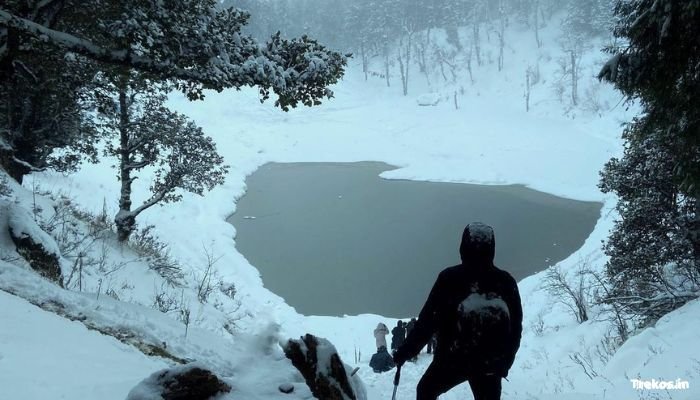
In winter, the lake is partially or fully frozen, making the trek both challenging and visually stunning.
The location of The Talab ensures that trekkers are treated to panoramic views of surrounding Himalayan peaks, such as Swargarohini and Black Peak, even before reaching the summit.
History and Cultural Significance of Juda Ka Talab
Although not widely known in mainstream travel literature, The Lake holds a special place among local communities and trekkers. Its history is intertwined with the culture of the Himalayan villages surrounding the Kedarkantha region.
Local Legends and Stories
Locals believe that Juda Ka Talab was once a spiritual site where sages meditated, attracted by its calm waters and serene environment. During winter, the frozen lake is said to symbolize purity and tranquility, adding a mystical aura to the Kedarkantha trek.
Special Features of Juda Ka Talab
The charm of Juda Ka Talab comes from both its natural beauty and its distinctive characteristics. Here’s why it stands out:
| Feature | Description |
|---|---|
| Altitude | ~11,500–12,000 ft above sea level |
| Seasonal Appearance | Partially frozen in winter, fully visible in summer |
| Surroundings | Dense pine and oak forests, open meadows, snow-covered peaks |
| Accessibility | Easily reachable on the Kedarkantha route |
| Photogenic Appeal | Offers stunning reflections and panoramic Himalayan views |
| Camping Spot | Ideal for overnight camping during the trek |
These features make The Talab a key highlight on the Kedarkantha trek, attracting trekkers who are looking for a peaceful, scenic stop before attempting the summit.
Best Time to Visit Juda Ka Talab
The experience at Juda Ka Talab varies significantly with seasons:
Winter (December to February)
-
Lake is mostly frozen, creating a snowy landscape that photographers and winter trekkers love.
-
Temperature ranges from -5°C to -12°C, requiring proper winter gear.
-
This period aligns with one of the Best Winter Treks in India experiences on the Kedarkantha trail.
Spring (March to April)
-
Snow starts melting, revealing the clear lake water surrounded by greenery.
-
Moderate temperatures make trekking easier for beginners.
Summer (May to June)
-
Lake water is fully visible, and wildflowers bloom in nearby meadows.
-
Ideal for less challenging trekking conditions and family-friendly adventures.
Trekking Experience Around Juda Ka Talab
The Kedarkantha trek is moderate in difficulty, making The Talab accessible for most trekkers. Here’s a snapshot of the trekking experience:
-
Trail: Gradual inclines through pine forests, snow patches in winter.
-
Distance: Approximately 4–5 km from the base camp.
-
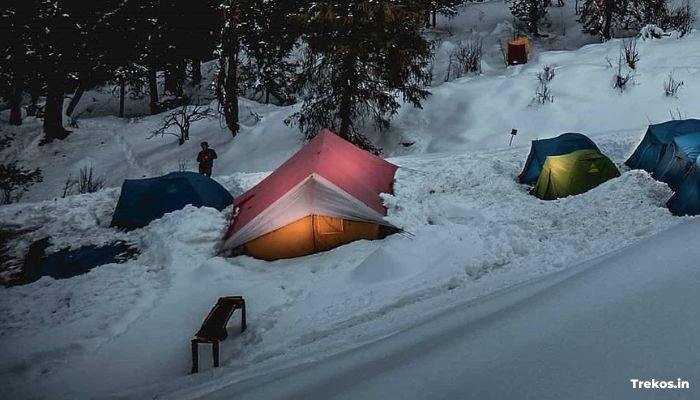
Camp Options: Many trekkers camp near The Talab to experience the frozen lake at night under a starry sky.
-
Photography: Sunrise and sunset offer dramatic reflections of Himalayan peaks on the lake surface.
Flora and Fauna Around Juda Ka Talab
Even in winter, the area surrounding Juda Ka Talab is rich in biodiversity:
Flora
-
Oak and pine forests dominate the trail.
-
Alpine shrubs and seasonal wildflowers add color in spring and summer.
Fauna
-
Himalayan birds, including the Monal and various pheasants, are often spotted.
-
Small mammals like Himalayan squirrels are common.
Camping and Photography Tips at Juda Ka Talab
-
Camping: Ensure tents are waterproof and insulated for winter camping.
-
Photography: Sunrise on the frozen lake creates perfect reflections of surrounding peaks.
-
Gear: Trekking poles, warm gloves, and crampons are recommended during winter.
The calm, reflective waters of Juda Ka Talab make it a hotspot for social media and travel photography, especially for trekkers completing the Kedarkantha trek.
Photography Opportunities at Juda Ka Talab
One of the biggest draws of Juda Ka Talab is its photography potential. The lake reflects the surrounding snow-capped peaks, creating a mirror-like effect that’s perfect for sunrise and sunset shots. Winter adds a magical touch as the frozen surface of the lake contrasts with the vibrant green pine forests. Trekkers on the Kedarkantha trek often spend extra time here to capture the stunning Himalayan landscape, making it a favorite stop for both amateur and professional photographers.
Camping Near Juda Ka Talab
Camping near the Talab is an unforgettable experience. Trekkers often pitch tents near the lake to enjoy the serene surroundings and starlit skies. During winter, the lake is frozen, and snow-covered meadows provide a soft ground for camping. Proper winter gear, sleeping bags, and insulated tents are essential to stay warm and safe. Camping at The Talab allows trekkers to wake up to panoramic Himalayan views, making it one of the most memorable nights on the Kedarkantha.
Wildlife Around The Talab
Even in the cold winter months, Juda Ka Talab is home to fascinating Himalayan wildlife. Trekkers can spot various birds such as Himalayan Monals and pheasants along the route. Small mammals like Himalayan squirrels are common in the forested areas. Observing wildlife adds another layer of charm to the Kedarkantha trek, making the talab not just a scenic spot but also a location rich in biodiversity.
Tips for Making the Most of Your Visit to Juda Ka Talab
To fully enjoy the trek, preparation is key. Trekkers should start early to avoid snowstorms, wear layered clothing to handle temperature fluctuations, and carry trekking poles for stability. Staying hydrated and carrying high-energy snacks is important during the ascent. Additionally, respecting the natural environment and avoiding litter ensures that talab remains pristine for future trekkers. Following these tips enhances the experience of one of the most stunning stops on the Kedarkantha trek.
Safety Tips for Visiting Juda Ka Talab
H3: Weather Precautions
-
Always check weather conditions before attempting the trek in winter.
-
Snowstorms can occur suddenly; pack emergency supplies.
H3: Terrain Safety
-
Frozen surfaces can be slippery; use microspikes if available.
-
Avoid walking on thin ice to prevent accidents.
H3: Health & Hydration
-
Drink plenty of water, even in cold weather.
-
Layer your clothing to prevent hypothermia.
Why Juda Ka Talab is a Must-Visit on the Kedarkantha Trek
-
Combines natural beauty with accessible trekking.
-
Offers camping and photography opportunities unmatched elsewhere on the Kedarkantha route.
-
Represents the serene and untouched charm of the Indian Himalayas.
-
Makes the Kedarkantha trek experience complete with a mix of adventure, nature, and tranquility.
FAQs About Juda Ka Talab
Here’s a set of FAQs with answers designed to be genuine and useful:
1: What is Juda Ka Talab?
Juda Ka Talab is a high-altitude lake located on the Kedarkantha in Uttarakhand. It is famous for its serene surroundings, snow-covered landscapes in winter, and panoramic Himalayan views. Trekkers often camp nearby to enjoy sunrise and sunset reflections on the water.
2: How do I reach Juda Ka Talab?
You reach Juda Ka Talab by trekking from Sankri village, the base of the Kedarkantha . The lake is typically a 2–3 day trek from the starting point, passing through forests, meadows, and snowy trails depending on the season.
3: What is the best time to visit Juda Ka Talab?
Winter (December to February) is ideal for snow-covered landscapes, while spring (March–April) offers mild temperatures and partial snow. Summer (May–June) reveals the lake’s clear waters and surrounding greenery.
4: Can beginners visit Juda Ka Talab?
Yes, the Kedarkantha trek, is beginner-friendly. Proper gear, pacing, and guidance from trekking operators ensure safety even for first-time trekkers in snowy conditions.
5: What makes Juda Ka Talab special?
Its high-altitude location, frozen winter landscape, reflective waters, and proximity to panoramic Himalayan peaks make it unique. It is a perfect blend of adventure, nature, and photography opportunities.