Choosing between the Pir Panjal and Kashmir Great Lakes Trek during the monsoon season often confuses trekkers this article add detailed comparison between Pir Panjal vs Kashmir Great Lakes Trek. Both treks showcase the raw beauty of Kashmir, but they offer very different experiences when rain enters the picture. While one focuses on solitude and untouched trails, the other delivers structured routes with consistent scenery. Your choice should depend on how much risk you can handle, how experienced you are, and what kind of trekking experience you actually want.
Understanding Monsoon Conditions in Kashmir
Kashmir does not experience heavy monsoon rainfall like Uttarakhand or Himachal. The region lies in a partial rain-shadow zone, which means rainfall stays limited and scattered. This makes trekking possible even during peak monsoon months. However, light rain, slippery trails, and water crossings still create challenges that you cannot ignore.
- Rainfall remains moderate compared to other Himalayan regions
- Meadows become lush and vibrant
- Trails can turn slippery after showers
- Streams swell temporarily after rainfall
Pir Panjal Trek in Monsoon
The Pir Panjal Trek offers a raw and offbeat trekking experience. It takes you through dense forests, remote valleys, and traditional shepherd routes. You will not find heavy crowds here, which makes the trek peaceful but also less supported. During monsoon, the trail becomes more unpredictable due to moisture buildup and fewer trekkers maintaining the path.
- Remote and less crowded trail
- Forest sections remain damp and muddy
- Navigation becomes difficult in fog or rain
- Limited rescue and support options
- Ideal for experienced trekkers only
Kashmir Great Lakes Trek in Monsoon
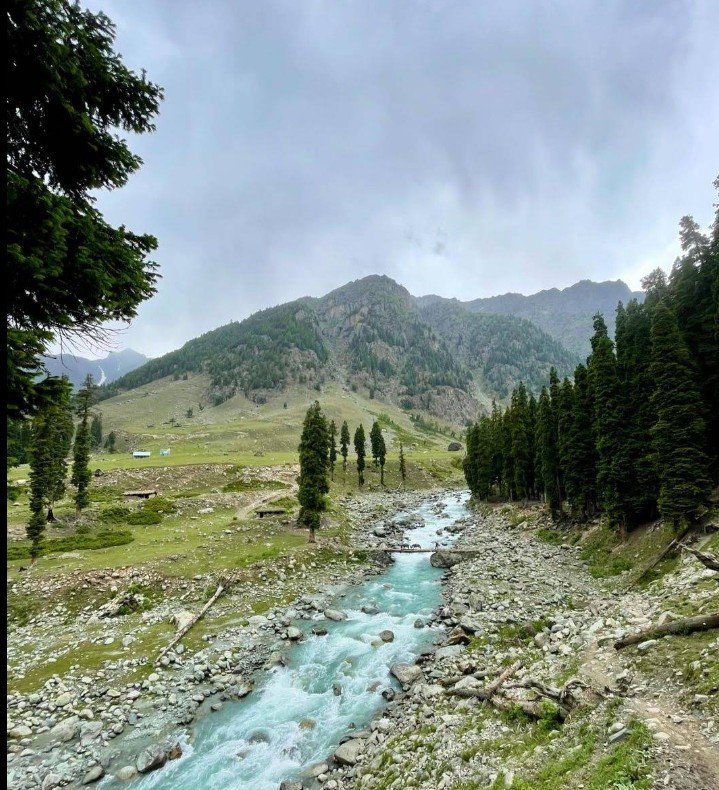
The Kashmir Great Lakes Trek stands out as one of the most reliable monsoon treks in India. The route connects multiple alpine lakes through open valleys and high-altitude passes. During monsoon, the landscape looks at its best, with green meadows, blooming wildflowers, and full lakes. The trail remains well-marked, which makes navigation easier even in changing weather.
- Well-defined and popular trekking route
- Stunning alpine lakes like Vishansar and Gadsar
- Meadows turn bright green during monsoon
- Better support with regular trekking groups
- Suitable for beginners and intermediate trekkers
Key Differences Between Both Treks
When you compare both treks side by side, the difference becomes very clear. The Pir Panjal Trek focuses on raw adventure, while the Kashmir Great Lakes Trek focuses on a balanced and scenic experience. Monsoon conditions highlight these differences even more.
- Pir Panjal offers solitude, Kashmir Great Lakes offers scenic variety
- Pir Panjal has unpredictable trails, KGL has stable paths
- Pir Panjal lacks infrastructure, KGL has better logistics
- Pir Panjal suits experienced trekkers, KGL suits a wider audience
Safety and Risk Factors
Safety should always remain your top priority, especially during monsoon treks. Both routes carry risks, but the level of risk differs significantly. Pir Panjal becomes more challenging due to remoteness, while Kashmir Great Lakes remains comparatively safer due to its popularity and organized trekking support.
- Slippery trails increase fall risk on both treks
- Stream crossings can become difficult after rain
- Pir Panjal has limited evacuation options
- Kashmir Great Lakes offers better emergency support
- Weather can change quickly in both regions
Which Trek Should You Choose?
If you want a safe and visually rewarding trek, the Kashmir Great Lakes Trek makes more sense. It offers consistent beauty, better infrastructure, and manageable risks. On the other hand, if you crave solitude and have prior trekking experience, the Pir Panjal Trek can give you a more adventurous and less crowded journey.
- Choose Kashmir Great Lakes for safety and scenic landscapes
- Choose Pir Panjal for solitude and raw adventure
- Beginners should avoid Pir Panjal in monsoon
- Experienced trekkers can explore both based on preference
Best Time to Trek During Monsoon
Timing plays a crucial role in your trekking experience. Even within monsoon, certain weeks offer better conditions than others. You should plan your trek when snow has melted and trails remain accessible.
- Mid-July to August offers peak greenery
- Early September provides clearer skies
- Avoid early July due to snow at higher passes
- Check weather updates before starting your trek
Final Thoughts
Both treks highlight the beauty of Kashmir, but they serve different types of trekkers. Monsoon does not ruin the experience if you plan properly and choose the right trail. The Kashmir Great Lakes Trek stands out as the safer and more reliable option, while the Pir Panjal Trek rewards those who seek solitude and challenge.
- Kashmir Great Lakes suits most trekkers
- Pir Panjal suits experienced and adventure-focused trekkers
- Monsoon trekking requires proper planning and gear
- Your experience depends more on preparation than the destination