The Valley of Flowers Trek is one of the most beautiful and beginner-friendly Himalayan treks in India. Every year, thousands of nature lovers, photographers, families, and first-time trekkers visit this UNESCO World Heritage Site to witness its stunning landscapes and seasonal blooms.
However, many people ask the same question before planning their trip:
Can beginners do the Valley of Flowers Trek?
The simple answer is yes.
Unlike many high-altitude Himalayan expeditions that demand technical skills and extensive trekking experience, the Valley of Flowers Trek is suitable for most healthy beginners with a basic level of fitness. The trail is well-defined, the elevation gain is gradual, and there is no need for mountaineering equipment.
In this guide, we will explore everything beginners should know before attempting the Valley of Flowers Trek, including difficulty level, fitness requirements, preparation tips, safety considerations, and why it is often considered one of the best starter treks in India.
What Makes the Valley of Flowers Trek Special?
Located in the Chamoli district of Uttarakhand, the Valley of Flowers National Park sits in the Western Himalayas at an altitude of approximately 3,250 to 3,650 meters above sea level.
The valley stretches across a vast alpine landscape filled with seasonal wildflowers, waterfalls, glaciers, streams, and snow-covered peaks.
The area gained international recognition after British mountaineer Frank Smythe discovered the valley in 1931 while returning from an expedition. Today, it holds UNESCO World Heritage status because of its rich biodiversity and ecological significance.
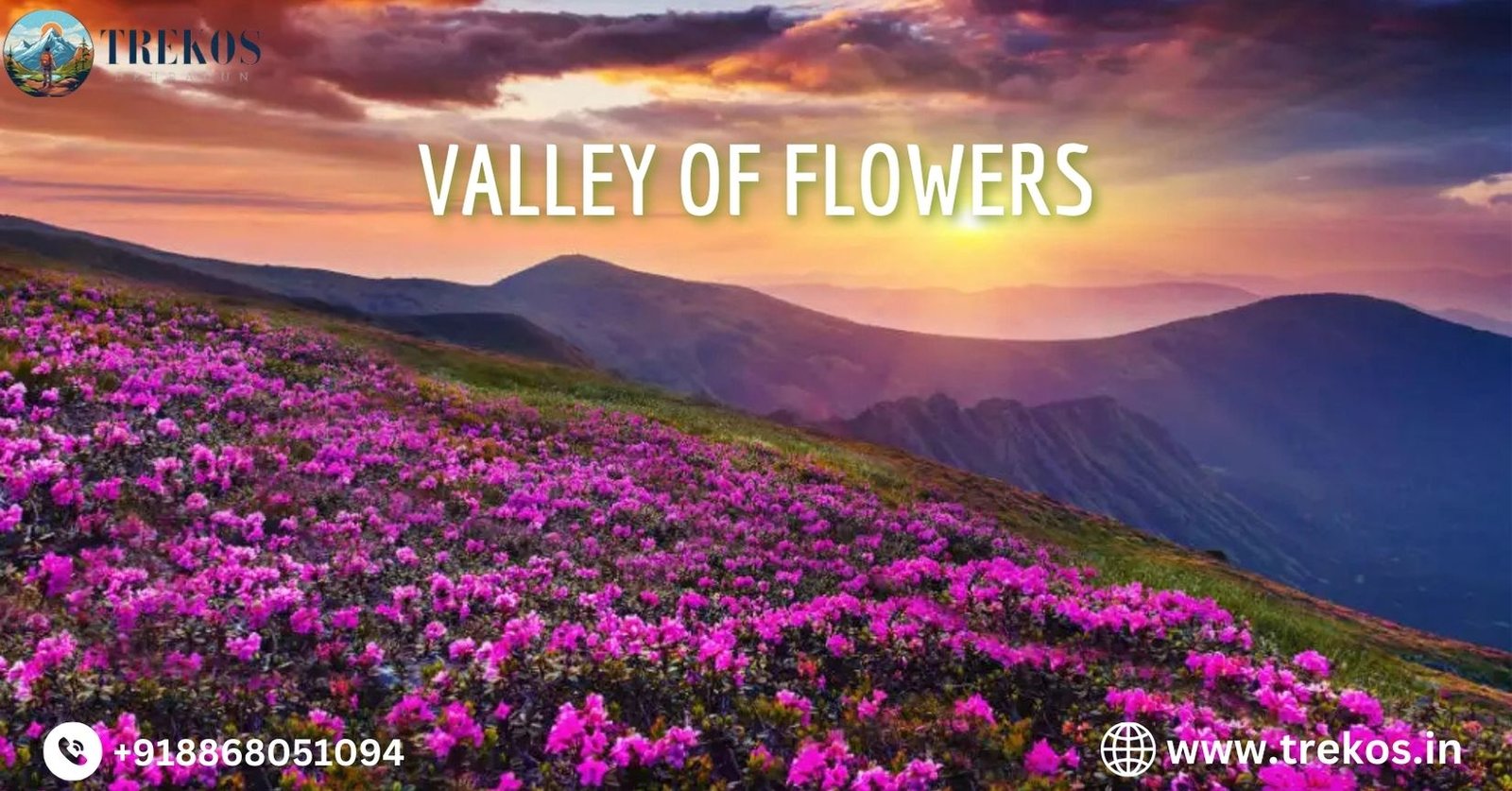
During the monsoon months, the valley transforms into a colorful carpet of blooming flowers, creating one of the most spectacular natural sights in India.
Is the Valley of Flowers Trek Suitable for Beginners?
Yes, beginners can comfortably complete the Valley of Flowers Trek if they prepare properly.
Several factors make this trek beginner-friendly:
Well-Marked Trail
The trekking route follows a clear and established path. Trekkers do not need navigation skills or technical climbing experience.
Moderate Daily Distance
The trek involves walking approximately 10 to 14 kilometers on trekking days. While this requires endurance, most beginners can manage it with preparation.
No Technical Sections
Unlike challenging Himalayan treks that involve steep climbs, glacier crossings, ropes, or rock scrambling, the Valley of Flowers Trek remains non-technical throughout the journey.
Availability of Accommodation
Accommodation options are available in Ghangaria, the base village for both Valley of Flowers and Hemkund Sahib. This reduces the need for camping experience.
Professional Trek Support
Many operators offer a Valley of Flowers Trek Package that includes transportation, accommodation, meals, permits, and experienced trek leaders, making the experience easier for first-time trekkers.
Understanding the Difficulty Level
Most trekking organizations classify the Valley of Flowers Trek as an easy to moderate trek.
This rating comes primarily from altitude and walking distance rather than technical challenges.
Trek Overview
- Starting Point: Govindghat
- Base Camp: Ghangaria
- Maximum Altitude: Approximately 4,329 meters at Hemkund Sahib
- Valley of Flowers Altitude: Around 3,658 meters
- Trek Duration: Usually 4 to 6 days
- Total Trek Distance: Approximately 38 to 45 kilometers depending on itinerary
The biggest challenge for beginners is not the trail itself but maintaining stamina during long walks and adjusting to higher altitudes.
How Fit Should a Beginner Be?
You do not need to be an athlete to complete the Valley of Flowers Trek.
However, basic fitness helps make the experience enjoyable.
A beginner should ideally be able to:
- Walk 5 to 8 kilometers comfortably
- Climb stairs without excessive fatigue
- Maintain steady movement for several hours
- Carry a light daypack
If you currently lead a sedentary lifestyle, start preparing at least four to six weeks before the trek.
Recommended Preparation
Walking
Walk for 30 to 45 minutes daily.
Gradually increase distance and pace over time.
Stair Climbing
Climbing stairs helps strengthen leg muscles and improves endurance for uphill sections.
Light Cardio
Activities such as jogging, cycling, or swimming improve cardiovascular fitness and stamina.
Strength Training
Simple exercises like squats, lunges, and planks can improve trekking performance significantly.
The goal is not intense fitness training. Consistency matters more than intensity.
What Challenges Can Beginners Expect?
Although the trek is beginner-friendly, it still takes place in the Himalayas.
Knowing the challenges in advance helps first-time trekkers prepare properly.
Long Walking Hours
Some trekking days require 5 to 7 hours of walking.
Beginners may feel tired if they are not accustomed to long-distance walking.
Altitude
The trek reaches elevations above 3,500 meters.
Some people may experience mild altitude-related symptoms such as headaches or fatigue.
Proper hydration and gradual ascent usually help.
Weather Changes
Mountain weather changes quickly.
A sunny morning can turn into a rainy afternoon within hours.
Carrying appropriate rain gear is essential.
Slippery Trails
The trekking season coincides with the monsoon when flowers bloom.
Rain can make sections of the trail muddy and slippery.
Good trekking shoes provide stability and confidence.
Best Time for Beginners to Visit
The Valley of Flowers National Park generally opens from June to October every year.
For beginners, the best period is usually from mid-July to late August.
During this time:
- Flowers bloom extensively
- Temperatures remain relatively comfortable
- Trails remain accessible
- Scenic beauty reaches its peak
Different months offer different experiences.
June
Snow patches may still be visible.
Flower bloom remains limited.
July
The valley begins turning colorful.
Fresh greenery dominates the landscape.
August
Peak flowering season arrives.
This month often offers the most vibrant views.
September
Flowers gradually fade, but skies become clearer and mountain views improve.
Essential Packing Tips for Beginners
Packing smartly can make a significant difference during the trek.
Clothing
Carry:
- Moisture-wicking T-shirts
- Trekking pants
- Warm fleece jacket
- Waterproof jacket
- Extra socks
Layering works better than carrying heavy clothing.
Footwear
Invest in sturdy trekking shoes with good grip.
Avoid brand-new shoes on the trek. Break them in beforehand.
Rain Protection
Monsoon showers are common.
Carry:
- Raincoat
- Poncho
- Backpack rain cover
Personal Essentials
Include:
- Water bottles
- Sunglasses
- Sunscreen
- Personal medications
- Energy snacks
Packing light helps reduce fatigue during long walking days.
Should Beginners Choose a Trek Package?
For most first-time trekkers, the answer is yes.
A professionally managed Valley of Flowers Trek Package simplifies the entire experience.
Packages typically include:
- Transportation arrangements
- Accommodation
- Meals
- Forest permits
- Trek leaders
- Local support staff
This allows beginners to focus on enjoying the trek rather than managing logistics.
Before booking, choose a reputed operator with experienced guides and transparent safety practices.
Valley of Flowers and Hemkund Sahib: Should Beginners Visit Both?
Most itineraries combine Valley of Flowers with Hemkund Sahib.
Hemkund Sahib is one of the highest Sikh pilgrimage sites in the world and sits at an altitude of about 4,329 meters.
The climb to Hemkund Sahib is steeper than the Valley of Flowers trail.
Beginners can visit both locations, but they should understand that the Hemkund route requires more effort.
If you feel tired after exploring the valley, take adequate rest before attempting the climb.
Walking slowly and staying hydrated makes the ascent more manageable.
Safety Tips for First-Time Trekkers
Following a few simple rules can greatly improve safety and comfort.
Stay Hydrated
Drink water regularly throughout the trek.
Walk at Your Own Pace
Avoid racing with other trekkers.
A steady pace conserves energy and reduces fatigue.
Listen to Your Body
Rest if you feel exhausted.
Ignoring symptoms often creates bigger problems later.
Follow Park Rules
The Valley of Flowers National Park protects a fragile ecosystem.
Do not pluck flowers, litter, or disturb wildlife.
Respect Weather Conditions
Mountain weather can change rapidly.
Always follow guidance from local authorities and trek leaders.
Why the Valley of Flowers Trek Is Perfect for Beginners
Many Himalayan treks demand technical skills, extensive preparation, and prior trekking experience.
The Valley of Flowers Trek offers something different.
It introduces beginners to high-altitude trekking without overwhelming them.
You experience:
- Himalayan landscapes
- Alpine meadows
- Mountain streams
- Waterfalls
- Rich biodiversity
- High-altitude culture
At the same time, the trail remains accessible and manageable for first-time trekkers.
It strikes an ideal balance between adventure and comfort.
Final Verdict: Can Beginners Do the Valley of Flowers Trek?
Absolutely.
The Valley of Flowers Trek remains one of the best Himalayan treks for beginners in India. Its well-maintained trails, moderate difficulty level, breathtaking scenery, and strong support infrastructure make it an excellent choice for first-time trekkers.
With basic fitness preparation, suitable gear, and realistic expectations, most healthy beginners can complete the trek successfully and enjoy every moment of the journey.
If you have always wanted to experience the Himalayas but felt intimidated by difficult mountain expeditions, the Valley of Flowers Trek provides the perfect starting point. Choosing a reliable company like Himalayan dream treks for Valley of Flowers Trek Package can further simplify the experience and help you focus on what truly matters enjoying one of India’s most extraordinary natural wonders.