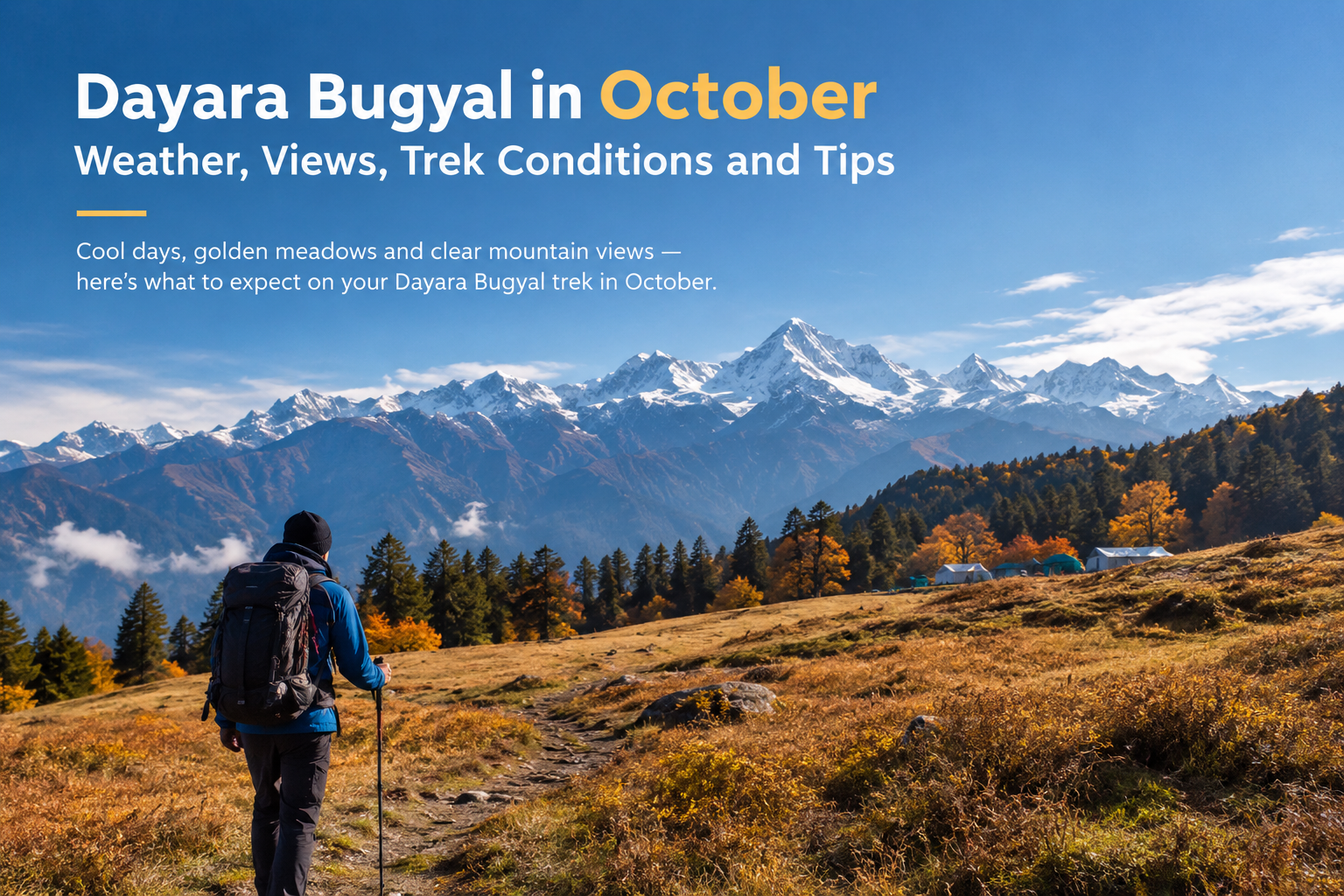
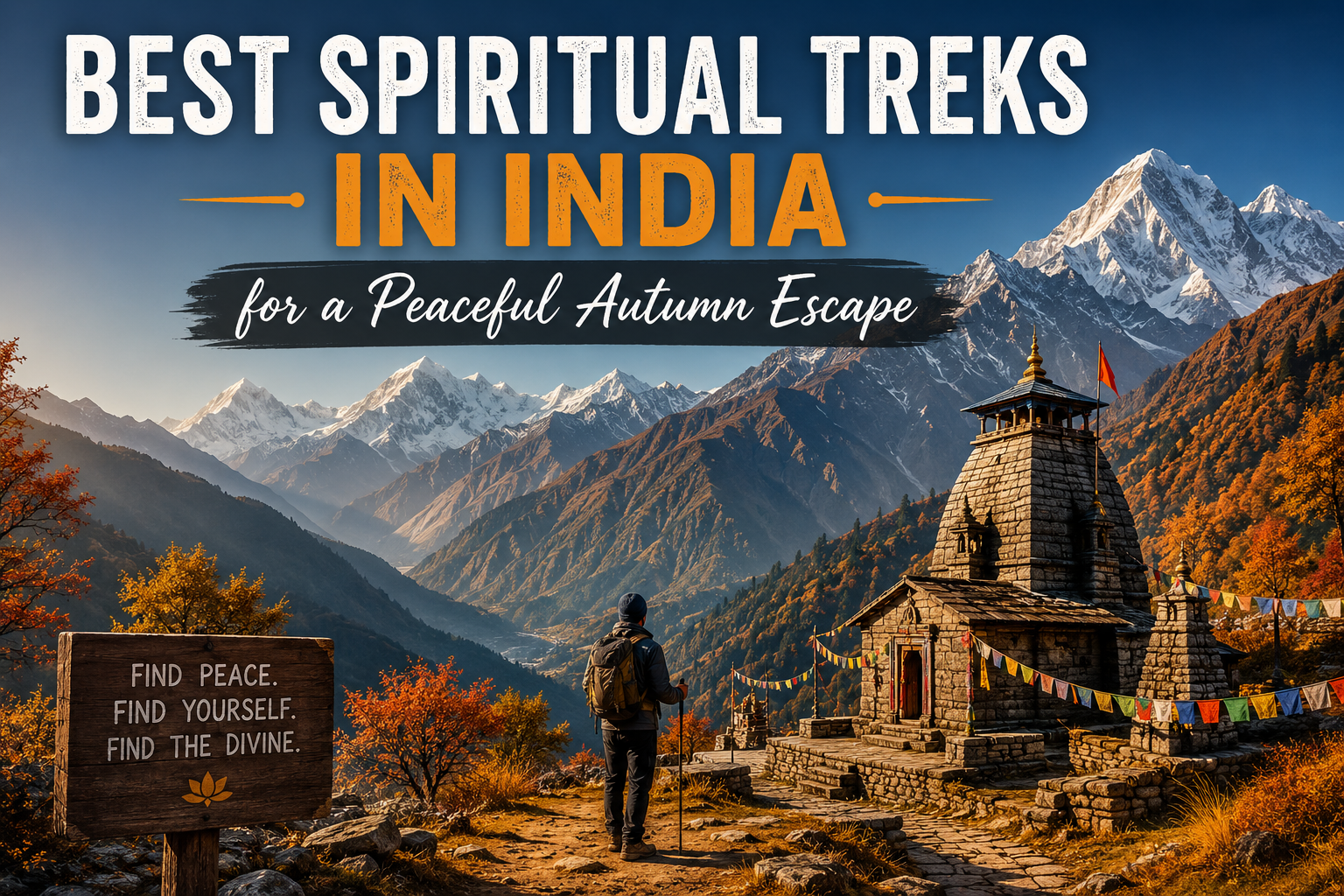
Autumn transforms the Indian Himalayas into a peaceful paradise. The monsoon clouds disappear, the skies turn crystal clear, and mountain trails become easier to walk. Rivers settle into a calm rhythm, forests glow with fresh greenery, and distant snow-covered peaks shine under bright sunlight.
For many travelers, this season is about more than beautiful landscapes. It is the perfect time to reconnect with nature, visit sacred temples, and experience the spiritual traditions that have shaped the Himalayas for centuries.
India offers countless trekking routes, but only a few combine adventure, history, and spirituality so naturally. Whether you are walking to an ancient Shiva temple, meditating beside a sacred lake, or following an old pilgrimage route, every step becomes part of a meaningful journey.
In this guide, you’ll discover the best spiritual treks in India for a peaceful autumn escape, along with their highlights, difficulty levels, and travel tips.
Why Autumn is the Best Season for Spiritual Treks
Autumn, especially from September to November, is considered one of the finest trekking seasons across the Himalayas.
Several factors make this season ideal:
- Pleasant daytime temperatures
- Stable weather after the monsoon
- Clear mountain views
- Reduced chances of landslides
- Fresh landscapes and blooming alpine meadows
- Comfortable conditions for long walks and temple visits
Many important pilgrimage routes also remain accessible before winter snowfall closes higher mountain passes. If your goal is to experience both nature and spirituality without harsh weather, autumn offers the perfect balance.
1. Rudranath Trek, Uttarakhand
Few Himalayan treks feel as peaceful as Rudranath. Dedicated to Lord Shiva, Rudranath is one of the five sacred temples of the Panch Kedar pilgrimage. Unlike popular pilgrimage sites connected by roads, reaching Rudranath requires a rewarding trek through dense forests, alpine meadows, and high ridges. The silence along the trail creates a unique atmosphere. Instead of crowded markets, you’ll hear birds, flowing streams, and mountain winds.
Highlights
- Ancient stone temple dedicated to Lord Shiva
- Part of the sacred Panch Kedar circuit
- Panoramic Himalayan views
- Peaceful forests and bugyals
- Excellent autumn weather
Difficulty: Moderate to Difficult
2. Madmaheshwar Trek, Uttarakhand
Madmaheshwar is another sacred Panch Kedar temple located deep within the Garhwal Himalayas. The journey passes through charming villages, dense oak forests, wooden bridges, and beautiful mountain valleys. The final stretch rewards trekkers with spectacular views of Chaukhamba Peak. Autumn adds golden colors to the landscape, making the entire trek even more memorable.
Highlights
- Sacred Shiva temple
- Beautiful mountain villages
- Crystal-clear skies
- Moderate trekking trail
- Rich Garhwali culture
Difficulty: Moderate
3. Kedarnath Trek, Uttarakhand
No list of spiritual treks in India is complete without Kedarnath. The trek begins from Gaurikund and leads to one of India’s most famous Shiva temples. Thousands of pilgrims visit every year, yet autumn offers a calmer atmosphere than the peak summer season. With clear skies and snow-covered peaks surrounding the temple, many visitors consider October the most beautiful month to visit.
Highlights
- One of the twelve Jyotirlingas
- Historic Himalayan pilgrimage
- Magnificent mountain scenery
- Well-maintained trekking route
Difficulty: Moderate
4. Tungnath and Chandrashila Trek
Tungnath is the world’s highest Shiva temple. The trail starts from Chopta and climbs gradually through alpine meadows before reaching the ancient temple. Many trekkers continue to Chandrashila Summit for breathtaking sunrise views. Although the trek is relatively short, its spiritual atmosphere leaves a lasting impression.
Highlights
- Highest Shiva temple in the world
- Beginner-friendly trek
- Incredible Himalayan panorama
- Perfect autumn weather
Difficulty: Easy to Moderate
5. Hemkund Sahib Trek, Uttarakhand
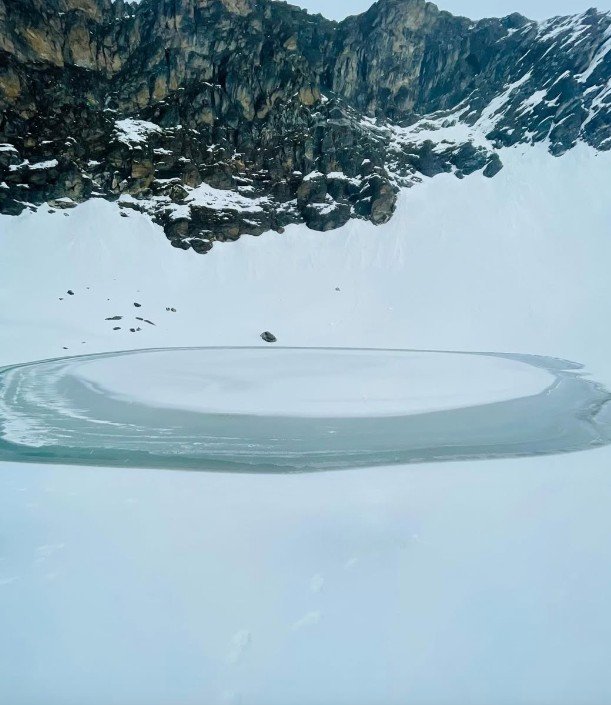
Hemkund Sahib holds immense spiritual significance for Sikhs and is also respected by Hindus due to the nearby Lakshman Temple. The trail climbs through waterfalls, wildflowers, and mountain streams before reaching the sacred glacial lake. Early autumn is among the last opportunities to visit before snowfall closes the route.
Highlights
- Sacred glacial lake
- Sikh pilgrimage destination
- Stunning mountain reflections
- Beautiful valley scenery
Difficulty: Moderate
6. Adi Kailash and Om Parvat Yatra, Uttarakhand
Although this journey involves road travel along with short trekking sections, it remains one of India’s most spiritually significant Himalayan experiences. Adi Kailash is often called Chhota Kailash, while Om Parvat is famous for the naturally formed snow pattern resembling the sacred “Om” symbol. The route passes through remote Himalayan villages and breathtaking valleys near the Indo-Tibetan border.
Highlights
- Sacred Himalayan pilgrimage
- Om-shaped snow formation
- Ancient temples
- Remote mountain landscapes
Difficulty: Easy to Moderate
7. Mani Mahesh Trek, Himachal Pradesh
Located in the Chamba region, the Mani Mahesh Trek leads to the sacred Mani Mahesh Lake beneath the towering Mani Mahesh Kailash Peak. The lake attracts thousands of pilgrims every year, especially during the annual yatra. Even outside the main pilgrimage period, the trail remains peaceful and deeply spiritual.
Highlights
- Sacred alpine lake
- Views of Mani Mahesh Kailash
- Rich local traditions
- Moderate trekking route
Difficulty: Moderate
8. Amarnath Trek, Jammu and Kashmir
The Amarnath Yatra is among India’s most revered pilgrimages. The cave houses a naturally forming ice stalagmite worshipped as a Shiva Lingam. While the official pilgrimage follows government schedules and typically concludes before autumn progresses, it remains one of India’s most iconic spiritual trekking experiences.
Highlights
- Sacred cave shrine
- Ancient pilgrimage tradition
- Stunning Himalayan landscapes
- Strong spiritual significance
Difficulty: Moderate to Difficult
9. Triund Trek with Dharamshala Monasteries
Triund itself is not a pilgrimage trek, but many travelers combine it with visits to Buddhist monasteries in Dharamshala and McLeod Ganj. The peaceful surroundings, prayer flags, meditation centers, and mountain views create a relaxing spiritual experience. This combination appeals to travelers seeking mindfulness rather than religious pilgrimage.
Highlights
- Beginner-friendly trail
- Buddhist monasteries nearby
- Meditation opportunities
- Beautiful sunset views
Difficulty: Easy
10. Kheerganga Trek, Himachal Pradesh
Kheerganga blends mythology with natural beauty. According to local traditions, the site is associated with Lord Shiva and Kartikeya. Trekkers reach a scenic meadow known for its natural hot water springs. Autumn offers pleasant temperatures and fewer crowds than the summer season.
Highlights
- Natural hot springs
- Himalayan forests
- Mythological significance
- Ideal weekend trek
Difficulty: Easy to Moderate
How to Prepare for an Autumn Spiritual Trek
Proper preparation helps you enjoy the journey without unnecessary stress.
Before starting your trek:
- Carry layered clothing because temperatures change quickly.
- Wear sturdy trekking shoes with good grip.
- Pack a rain jacket, even after the monsoon.
- Carry reusable water bottles and avoid plastic waste.
- Keep essential medicines and a basic first-aid kit.
- Respect local customs and temple rules.
- Avoid loud music on sacred trails.
- Stay hydrated throughout the trek.
Remember that spiritual destinations are places of worship first and tourist attractions second.
Responsible Trekking Matters
The Himalayas are environmentally sensitive.
Follow responsible travel practices by:
- Carrying back all your waste
- Avoiding single-use plastics
- Staying on marked trails
- Respecting wildlife
- Supporting local homestays and guides
- Purchasing locally made products whenever possible
Small actions help preserve these sacred landscapes for future generations.
Choosing the Right Spiritual Trek
Your ideal trek depends on your experience and interests. If you want an easy pilgrimage, choose Tungnath or Kedarnath. If you prefer remote Himalayan spirituality, Rudranath and Madmaheshwar offer unforgettable experiences. Travelers seeking Buddhist culture may enjoy Triund with Dharamshala, while those looking for sacred lakes can consider Hemkund Sahib or Mani Mahesh.
Every destination offers a different way to connect with nature, history, and faith.
Final Thoughts
The Himalayas have inspired pilgrims, saints, and travelers for centuries. Autumn enhances that experience with pleasant weather, clear skies, and peaceful trails.
Whether you stand before the ancient temple of Rudranath, watch sunrise from Chandrashila, reflect beside Hemkund Sahib, or admire the sacred landscape of Adi Kailash, these journeys offer more than mountain views. They invite you to slow down, appreciate nature, and experience India’s spiritual heritage with respect and curiosity.
Planning a spiritual trek become much easier with experienced local support. Himalayan Dev Yatra organize Himalayan pilgrimage experiences with a focus on safety, responsible travel, and local knowledge. Whether you are visiting Panch Kedar temples, exploring sacred himalayan trails, or planning an autumn pilgrimage, choosing an experienced local team helps you travel responsibly while understanding the cultural and spiritual importance of each destination.
Frequently Asked Questions
1. Which is the best spiritual trek in India during autumn?
Rudranath, Kedarnath, Tungnath, Madmaheshwar, and Hemkund Sahib are among the best choices because autumn usually brings clear skies, pleasant weather, and excellent trekking conditions.
2. Are spiritual treks suitable for beginners?
Yes. Treks like Tungnath-Chandrashila and Kedarnath are manageable for many beginners with reasonable fitness. More remote routes such as Rudranath require greater endurance and preparation.
3. What should I pack for an autumn Himalayan trek?
Carry warm layered clothing, waterproof trekking shoes, a rain jacket, gloves, a woollen cap, sunscreen, sunglasses, a reusable water bottle, and a basic first-aid kit.
4. Why is autumn recommended for Himalayan pilgrimages?
After the monsoon, trails are generally cleaner, mountain views are clearer, and temperatures are comfortable. Many high-altitude temples also remain open before winter snowfall.